

Did you know that Beethoven’s ‘Für Elise’ is one of the most searched piano pieces globally, with millions aspiring to master its iconic melody? Learning this classical masterpiece provides far more than musical recognition—it builds essential technical foundations through its structured form and expressive phrasing. This comprehensive guide reveals why ‘Für Elise’ remains the perfect starting point for pianists, offering step-by-step strategies to overcome common learning hurdles while deepening your connection to Beethoven’s enduring legacy.
Click to bring down the sheet music for “To Alice” (PDF)
【Why Learn Fur Elise?】
The Perfect Piece for Aspiring Pianists
Building a Foundation with Classical Music
Learning “Für Elise” is more than just playing a famous tune; it is a foundational exercise in classical piano technique. The piece’s iconic opening theme is an excellent study in developing fundamental finger coordination and independence, particularly between the right-hand melody and the left-hand arpeggiated accompaniment. It introduces students to essential classical music patterns and phrasing, teaching them how to shape a musical line with expression. Furthermore, the immediate recognition of the melody provides a powerful motivational boost, making the practice process feel rewarding from the very first notes mastered.
Overcoming the Beginner’s Hurdle
Many new pianists face the challenge of transitioning from simple exercises and scales to actual, recognizable music. “Für Elise” beautifully bridges this gap. Its initial section addresses common sight-reading challenges for new students by using a manageable key (A minor) and a repetitive left-hand pattern. This allows learners to focus on expression and dynamics rather than struggling with complex note-reading. By breaking the piece into its distinct sections, students can build confidence through a series of achievable musical milestones, turning a seemingly daunting classical work into an accessible and rewarding project.
The Historical Significance
Beethoven’s Enduring Legacy
Composed around 1810, “Für Elise” (Bagatelle in A minor, WoO 59) is a window into the genius of Ludwig van Beethoven. Interestingly, the manuscript was lost and only discovered and published posthumously in 1867, long after his death. The piece represents a fascinating transition between the structured elegance of the Classical era and the expressive, personal nature of the Romantic era. Its blend of a delicate, almost wistful theme with a more turbulent middle section is a hallmark of Beethoven’s characteristic emotional depth. This combination has cemented its status as one of the most recognized and beloved classical pieces worldwide.
Musical Structure and Form
“Für Elise” is a masterclass in miniature form, structured as a Rondo (ABACA). This clear structure provides excellent sectional learning opportunities for students. They can first master the familiar A section before progressing to the more technically demanding B and C sections. The piece demonstrates Beethoven’s sophisticated use of arpeggios and a simple, yet profoundly beautiful, melodic development. Playing this piece allows a pianist to connect directly with Beethoven’s legacy, exploring the emotional contrasts and architectural brilliance that make his music timeless. For those ready to begin this journey, having clear and accurate sheet music is the first step. You can find excellent resources, including an easy and original PDF version of the Fur Elise sheet music, to help you learn Beethoven’s classic.
【Finding the Right Sheet Music】
Easy Piano Arrangements Explained
What Makes an Arrangement “Beginner-Friendly”
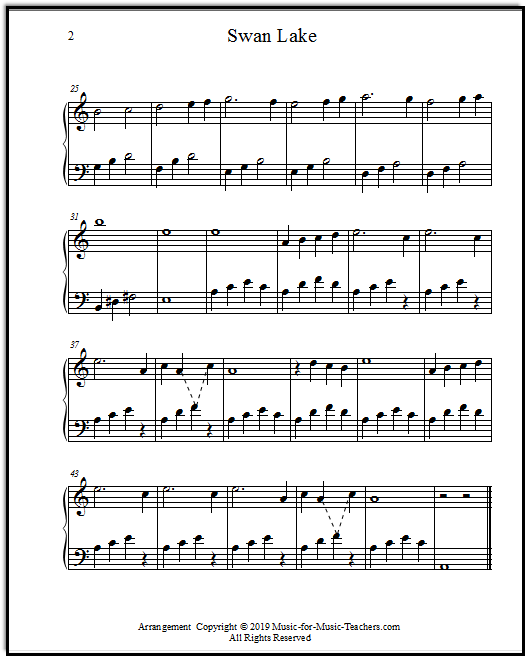
A well-crafted easy piano arrangement is designed to preserve the soul of the music while making it technically accessible. For “Für Elise,” this means several key modifications are often implemented to support the learning process. First, the key signature may be simplified, though many arrangements wisely keep the original A minor, as it is a natural and manageable key for beginners. The most significant changes typically occur in the left-hand accompaniment, where Beethoven’s flowing arpeggios are often transformed into solid block chords or a much slower, simplified broken chord pattern. This reduces the coordination challenge, allowing the student to focus on producing a beautiful tone and mastering the right-hand melody. Furthermore, the sheet music itself is often formatted with larger note heads and clearer spacing, which drastically improves readability for those still developing fluent sight-reading skills. The ultimate goal is to maintain the piece’s iconic melodic integrity while thoughtfully reducing its technical demands.
Comparing Difficulty Levels
Understanding the different available versions will help you select the one that best matches your current skill level.
| Version Type | Technical Characteristics | Ideal For |
|---|---|---|
| Original Version | Rapid left-hand arpeggios, trills, and a more complex middle (C) section. | Intermediate pianists comfortable with hand independence and faster passages. |
| Easy Arrangements | Slower suggested tempo, simplified left-hand patterns (often block chords), and potentially an omitted or simplified C section. | Late beginners who can play hands together but are not yet ready for the original’s technical demands. |
| Note-Labelled Versions | Includes the note names (e.g., A, C#) printed inside the note heads. | Very new students who are still solidifying their note-reading skills on the staff. |
Digital Download Advantages
Immediate Access and Flexibility
In 2025, the convenience of digital sheet music has made it the preferred choice for many students and teachers. The primary advantage is immediate access; you can find, purchase, and download the perfect arrangement of “Für Elise” and be practicing within minutes, completely eliminating shipping delays. This digital format also offers unparalleled flexibility. With an unlimited printing license, you can print a fresh copy for your binder, another for your teacher to mark up, and even a third to keep at your digital piano or keyboard—all from a single purchase. High-resolution PDFs ensure that every marking, dynamic, and note is crystal clear, whether you are viewing it on a tablet during practice or on a printed piece of paper.
Cost-Effective Learning Solutions
Choosing a digital download is not only convenient but also kind to your budget. A typical digital sheet music file for a piece like “Für Elise” ranges from only $2 to $5. In contrast, purchasing the same piece in a physical print folio can cost between $6 and $10. For international students, the savings are even more significant, as there are no additional shipping fees. Furthermore, many online platforms offer bundled resources, such as getting both the easy and original versions together or including a helpful practice guide, which provides exceptional value and supports a more comprehensive learning journey as you progress. To start your musical exploration, you can find a carefully curated easy and original PDF of the Fur Elise sheet music designed to help you learn Beethoven’s classic effectively.
【Mastering the Piece Step by Step】
Section-by-Section Breakdown
A structured, sectional approach is the most effective way to learn “Für Elise,” transforming a seemingly complex piece into a series of manageable and rewarding musical goals.
The Iconic A Section
The famous opening theme is the heart of the piece and the best place to begin your practice.
- Right-hand melody: The melody is built on the haunting sequence of E-D#-E-D#-E-B-D-C-A. Focus on creating a smooth, connected legato sound, paying close attention to the delicate balance between the fingers. The recurring E and D# should be played with a gentle, rocking motion.
- Left-hand accompaniment: In easy arrangements, the left hand typically plays a simplified broken chord pattern (e.g., A-E-A) or solid block chords. Your primary goal is to keep this accompaniment quiet and steady, providing a harmonic foundation without overpowering the melody.
- Practice strategy: Always start by practicing hands separately until each hand feels confident and secure. When combining hands, begin at a very slow tempo, focusing only on the coordination between the hands without regard for expression. Gradually increase the speed only when you can play the section flawlessly at a slower pace.
Navigating the B and C Sections
Once you have confidently mastered the A section, you can progress to the contrasting parts of the piece.
- B section: This section introduces a new, more lyrical theme. It often involves new rhythmic patterns and a stronger harmonic movement towards the dominant key (E major). Practice this section slowly to ensure accuracy with the new notes and rhythms.
- C section: This is the most technically challenging part of the piece, characterized by faster, scale-like passages and dramatic arpeggios. In many easy arrangements, this section is either simplified or omitted entirely to suit a beginner’s skill level.
- Learning progression: The most effective path is to achieve fluency in the A section before introducing the B section. Only after both A and B feel comfortable should you attempt the C section, treating it as a long-term goal to be worked on with patience.
Technical Exercises for Success
Targeted technical exercises will build the specific skills needed to play “Für Elise” with confidence and expression.
Finger Independence Drills
Develop the necessary dexterity and coordination with these focused drills.
- Arpeggio exercises: Practice the left-hand A minor arpeggio (A-C-E-A) slowly and evenly, using a metronome. This directly prepares you for the accompaniment patterns found in the piece.
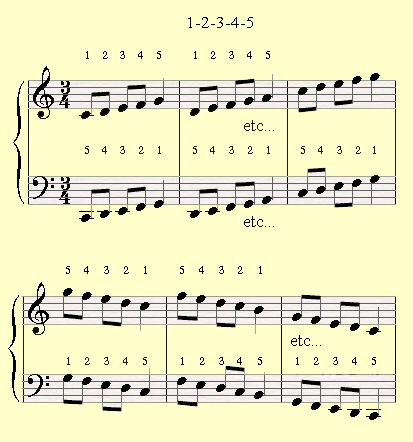
- Coordination drills: Play a simple five-finger scale in your right hand (C-D-E-F-G) while playing a steady quarter-note pulse on a single bass note (C) with your left hand. This simple exercise dramatically improves hand independence.
- Gradual tempo increase: For any difficult passage, always start with a metronome at a very slow tempo (around 60 BPM). Only when you can play the passage perfectly three times in a row should you increase the metronome speed by 2-4 BPM.
Common Technical Challenges
Awareness of these common hurdles will help you overcome them more efficiently.
- Smooth execution of the opening motif: The opening E-D#-E trill-like figure can be awkward. Practice it in a loop, using a relaxed wrist and focusing on evenness and control rather than speed.
- Maintaining even rhythm during left-hand arpeggios: It is common for the left hand to rush or become uneven. Isolate the left-hand part and practice it alone with a metronome, ensuring every note falls precisely on the beat.
- Dynamic control for expressive phrasing: “Für Elise” is not a loud piece. Practice playing the right-hand melody at a gentle mezzo-piano (mp) dynamic while consciously keeping the left-hand accompaniment even softer. This contrast is essential for a beautiful and expressive performance.
【Practice Strategies That Work】
Effective Learning Techniques
Consistent, intelligent practice is the key to unlocking “Für Elise.” By focusing on process over product, you will build a solid foundation that leads to a confident and musical performance.
The 15-Minute Daily Approach
For many learners, short, daily practice sessions are far more effective than infrequent, long marathons. A focused 15-minute routine can yield remarkable progress.
- Focused practice on one small section per session: Instead of playing the entire piece from start to finish each day, dedicate your session to mastering just one line or a single challenging measure. This deep, concentrated work allows your brain and muscles to learn more efficiently.
- Consistent review of previously learned material: Begin each practice session by playing through the sections you have already learned. This reinforces your memory and keeps the music under your fingers, building a sense of accomplishment.
- Progressive tempo building over 4-6 week period: Do not rush the speed. Start at a slow, comfortable tempo where you can play without mistakes. Each week, as your fingers and mind become more familiar with the notes, you can gradually increase the tempo. A typical goal is to achieve a comfortable performance tempo over a dedicated 4 to 6-week learning period.
Overcoming Specific Difficulties
When you encounter a stubborn passage, targeted problem-solving strategies will help you break through the barrier.
- Isolating problematic measures for repetitive practice: Identify the exact one or two measures that cause a stumble. Practice only those measures in a loop, hands separately and then together, slowly and deliberately. This “spot-practicing” is one of the most powerful tools for efficient learning.
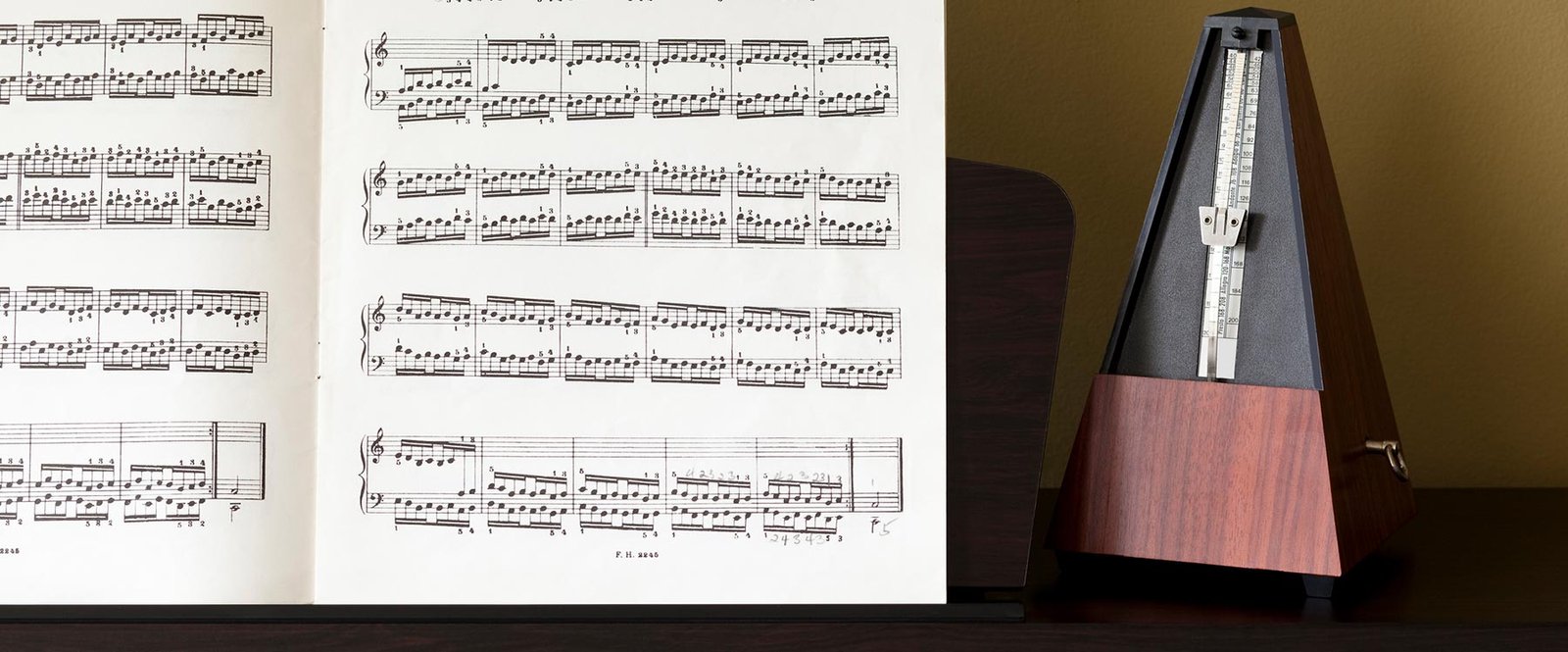
- Using a metronome to establish consistent rhythm: A metronome is your best friend for developing a steady internal pulse. Use it not only for difficult runs but also for the main theme to ensure your left-hand arpeggios do not rush and that the rhythmic pulse of the piece remains stable.
- Recording practice sessions for self-assessment: Use your smartphone to make an audio recording of your playing. Listening back objectively allows you to hear rhythmic inaccuracies, dynamic imbalances, and phrasing opportunities that you might not notice while you are focused on playing the notes.
Building Musicality
Once the notes and rhythms are secure, the true joy of music-making begins: shaping the piece into a personal and expressive statement.
Expression and Phrasing
“Für Elise” is a bagatelle—a short, lyrical piece. Its beauty lies in its nuanced expression.
- Understanding Beethoven’s dynamic markings: Pay close attention to the printed instructions. The piece begins poco moto (a little motion) and is generally soft. Observe the sudden sforzando (sfz) accents and the gentle swells and fades. These are not suggestions; they are essential to the character of the music.
- Creating natural musical breathing points: Think of the musical phrases as sentences. Allow a tiny, almost imperceptible breath at the end of each phrase, such as after the iconic opening motif. This prevents the music from sounding mechanical and gives it a graceful, vocal quality.
- Developing personal interpretation while respecting the score: Within the framework of Beethoven’s markings, you have room for personal expression. Perhaps you will make a slight ritardando (slowing down) at the end of a section, or you might choose to voice a particular inner melody more prominently. Let your own musical feelings guide you, while always using the score as your trusted map.
Performance Preparation
The final step is preparing to share your music with others, even if that audience is just yourself or a family member.
- Memory techniques for secure performance: If you wish to play from memory, start by memorizing one small section at a time. Try playing it while looking away from the music, or visualize your hands on the keys without actually playing. Analytical memory—understanding the chord progressions and the structure of the piece—also provides a strong safety net.
- Building endurance for complete piece execution: Practice playing the entire piece from start to finish without stopping, even if a small mistake occurs. This builds the mental and physical stamina needed for a complete performance and teaches you how to recover gracefully.
- Managing performance anxiety through gradual exposure: Simulate performance conditions by playing for a trusted friend or family member. Start with just the A section, and gradually play more. This gradual exposure desensitizes you to the nerves of being listened to and builds confidence.
【Essential Learning Resources】
Supplementary Materials
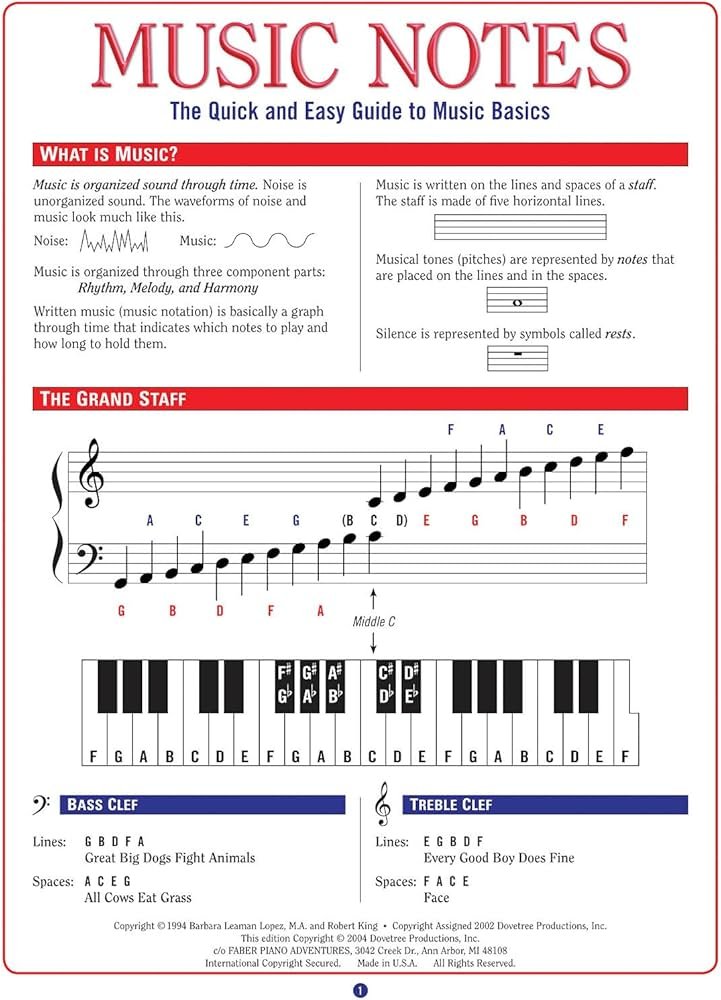
To deepen your connection with “Für Elise,” exploring materials beyond the sheet music itself can provide invaluable context and understanding. These resources transform note-reading into a richer, more informed musical experience.
Music Theory Support
A little music theory goes a long way in demystifying why “Für Elise” sounds the way it does. Understanding its structure can make learning and memorizing significantly easier.
- Understanding the A minor key signature and its implications: The piece is written in A minor, a key often associated with tenderness, sadness, and passion. This key has no sharps or flats in its key signature, which is why the sheet music looks relatively “clean.” However, Beethoven frequently uses the raised 7th note (G#) to create a leading tone that pulls strongly back to the tonic (A), a hallmark of the minor key sound. Recognizing this can help you anticipate these important accidentals.
- Analysis of chord progressions throughout the piece: “Für Elise” is built on a foundation of classical harmony. The famous main theme (Section A) revolves around the primary chords of A minor: the tonic (i), dominant (V), and submediant (VI). Breaking down the piece into its harmonic components can simplify memorization, as you begin to see patterns and sequences rather than just individual notes. For instance, the challenging C section is essentially a series of arpeggiated chords moving in a predictable pattern.
- Historical context of the composition period: Composed around 1810, the piece is a “Bagatelle,” a title meaning a short, unpretentious composition. While its dedicatee, “Elise,” remains a figure of historical debate, the piece perfectly encapsulates the early Romantic era’s focus on personal expression and intimate character pieces, even as it retains the clear structure of the Classical period.
Technology-Enhanced Learning
Modern technology offers powerful tools to support your practice routine, many of which are readily available on a smartphone or computer.
- Digital metronome apps for tempo control: A digital metronome is indispensable. Many free apps allow you to set precise tempos, use different time signatures, and even program complex tempo changes. This is crucial for maintaining the steady pulse of “Für Elise” and for gradually increasing your speed in a controlled manner.
- Recording software for progress tracking: The voice memo or video recording function on your phone is a fantastic practice aid. Regularly recording yourself allows for objective self-assessment. You can track your progress over weeks, identify passages that need more work, and critically evaluate your dynamics and phrasing.
- Online tutorials and demonstration videos: Watching multiple performances by different pianists on video platforms can be highly educational. You can observe various interpretations of phrasing and technique. Furthermore, dedicated tutorial videos can provide visual guidance for fingering and pedaling, offering solutions to the very challenges you are facing.
Building Your Repertoire
Mastering “Für Elise” is a significant milestone. The next step is to use that accomplishment as a springboard for further musical growth by selecting pieces that build upon your newly acquired skills.
Next Pieces After Fur Elise
Choosing the right follow-up pieces is key to maintaining momentum and continuing your technical and musical development.
| Piece & Composer | Key Learning Focus | Why It’s a Good Next Step |
|---|---|---|
| Beethoven’s “Ode to Joy” | Playing a well-known melody with simple chordal accompaniment; steady rhythm. | It uses a comfortable key signature and is harmonically straightforward, allowing you to focus on creating a beautiful, singing tone. |
| Clementi Sonatinas, Op. 36 | Classical style, scale passages, clean articulation, and basic sonata form. | These are foundational works for developing finger strength, clarity, and a sense of elegant phrasing, directly building on the skills used in “Für Elise.” |
| Burgmüller Études, Op. 100 | Developing specific technical skills within a musical context (e.g., agility, expression). | Pieces like “Arabesque” or “Ballade” are engaging and designed to address particular technical challenges in a progressive and musically satisfying way. |
Long-Term Skill Development
Sustainable progress at the piano is built on a consistent routine that develops all aspects of your musicianship.
- Sight-reading practice with progressively difficult material: Dedicate 5-10 minutes of each practice session to reading new, easier music. This could be simple folk songs, hymns, or method book pieces. The goal is not perfection, but to improve your ability to process and play notes and rhythms on first sight, which will accelerate learning all future pieces.
- Scale and arpeggio studies for technical foundation: The technical challenges in “Für Elise” are essentially scale and arpeggio patterns. Regularly practicing A minor scales and arpeggios (both hands separately and together) will build the muscle memory and finger independence that make such passages feel effortless. This is the most direct way to build a strong technical foundation.
- Regular repertoire expansion across musical periods: Aim to always be learning pieces from different musical eras. After a Classical piece like “Für Elise,” you might try a simple Baroque piece like a Minuet from the Notebook for Anna Magdalena Bach, or a short Romantic character piece. This ensures a well-rounded musical education and keeps your practice sessions varied and engaging.
【Troubleshooting Common Problems】
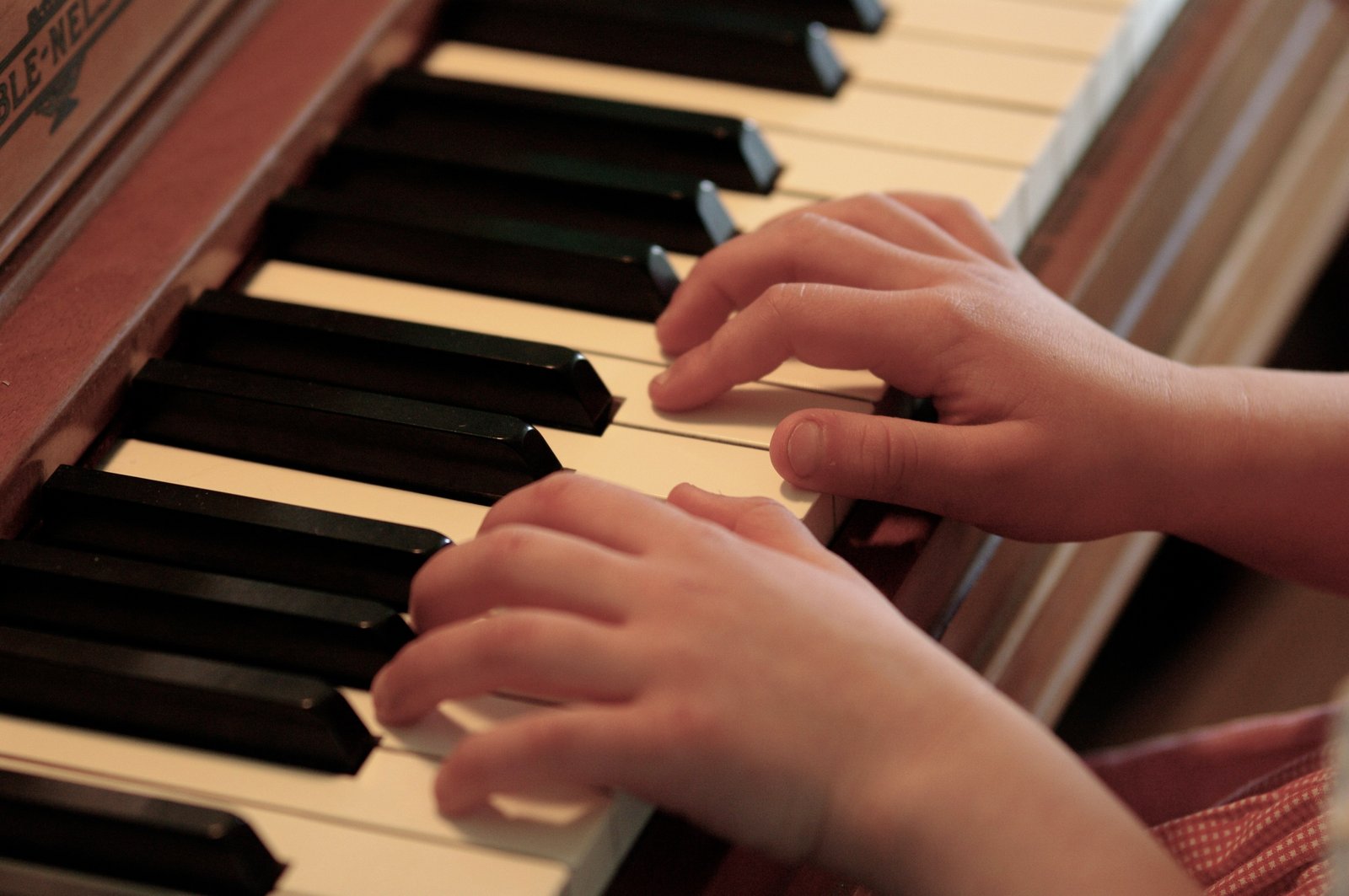
Every pianist encounters hurdles while learning a masterpiece like “Für Elise.” These challenges are not signs of inability but are integral steps in the learning process. By approaching them with targeted strategies, you can transform frustration into tangible progress and build a stronger technical foundation.
Technical Solutions
When a passage feels physically uncooperative or mentally overwhelming, breaking it down into manageable components is the most effective path forward. Isolate the problem, then apply a focused solution.
Hand Coordination Issues
The iconic opening of “Für Elise” requires the right hand to play a flowing melody while the left hand provides a supportive, rhythmic accompaniment. This independence can be one of the first major hurdles.
- Slow practice with emphasis on rhythmic accuracy: The most powerful tool in your practice arsenal is a painfully slow tempo. Use your metronome and set it to a speed where you can play the passage perfectly, with both hands together, without hesitation. The goal is not to play slowly, but to build correct neural and muscular pathways. Rhythmic precision at a slow tempo is far more valuable than a rushed, inaccurate performance at full speed.
- Separate hand drilling before combination: Master each hand’s part in isolation. Play the right-hand melody until it is fluid and secure. Then, practice the left-hand accompaniment until you can play it without looking at your hands. Only when each hand is confident on its own should you begin to combine them slowly. This method ensures that one hand is not “learning” the mistakes of the other.
- Visualization techniques for mental preparation: Away from the keyboard, visualize yourself playing the challenging passage. “See” your fingers moving and “hear” the music in your mind. Studies have shown that mental practice activates the same neural pathways as physical practice, reinforcing your learning and building confidence before you even touch the keys.
Reading Challenges
The sheet music for “Für Elise” introduces patterns and note ranges that may be new. If you find yourself stopping frequently to decipher notes, a dedicated reading strategy will help.
- Note-labelled sheet music for initial learning phase: For the very first stage of learning, using a version of the Fur Elise sheet music with note names or fingerings lightly written in can help you get your bearings on the keyboard more quickly. The goal is to use this as a temporary scaffold; wean yourself off the labels as soon as the notes begin to feel familiar.
- Flashcards for note recognition improvement: Dedicate a few minutes each day to drill note recognition, especially for the notes above and below the staff that appear in the piece. Consistent, short bursts of flashcard practice will dramatically increase your speed in identifying notes on the staff, making the reading process feel more automatic.
- Systematic approach to learning new musical patterns: Instead of reading note-by-note, learn to recognize shapes and patterns. The opening theme is a broken chord (an arpeggio). The challenging C section is a series of ascending and descending scales and arpeggios. Identifying these patterns allows your brain to process groups of notes as a single unit, significantly speeding up your reading and memorization.
Maintaining Motivation
The journey to mastering a piece is a marathon, not a sprint. Keeping your practice engaging and your spirits high is just as important as the technical work itself.
Setting Realistic Goals
Ambiguous goals like “get better” can be demotivating. Instead, focus on specific, achievable targets that create a clear sense of forward momentum.
- Weekly achievement targets for measurable progress: Set small, concrete goals for each week. For example, “This week, I will master the first eight measures hands together at half-speed,” or “I will perfect the transition from Section A to Section B.” Checking these off your list provides a powerful sense of accomplishment.
- Performance opportunities for goal-oriented practice: Nothing motivates practice like a deadline. Schedule a low-stakes performance for family, a friend, or a virtual piano community. Having a date on the calendar gives your practice sessions a clear purpose and helps you structure your work to be performance-ready.
- Celebration of milestones and technical breakthroughs: Acknowledge and celebrate your successes! When you finally nail that tricky run, or play an entire section without a mistake, take a moment to appreciate your hard work. This positive reinforcement makes the entire process more enjoyable and sustainable.
Community and Support
Learning an instrument can sometimes feel solitary, but it doesn’t have to be. Connecting with others provides invaluable encouragement and perspective.
- Online forums for sharing progress and challenges: There are numerous online communities and social media groups for piano learners of all levels. Sharing a recording of your progress, asking for advice, or simply reading about others’ struggles and triumphs can be incredibly motivating and reassuring.
- Teacher feedback for technical correction: Even a few lessons with a qualified teacher can provide crucial guidance. A teacher can spot technical inefficiencies, suggest alternative fingerings, and help you develop a more nuanced interpretation, preventing you from practicing mistakes and accelerating your progress.
- Performance groups for motivational support: Look for local or online piano meetups or “piano jams.” Playing for a supportive group of fellow learners in a non-judgmental environment is a fantastic way to build confidence, gain performance experience, and be inspired by others on the same journey.
【Your Musical Journey Ahead】
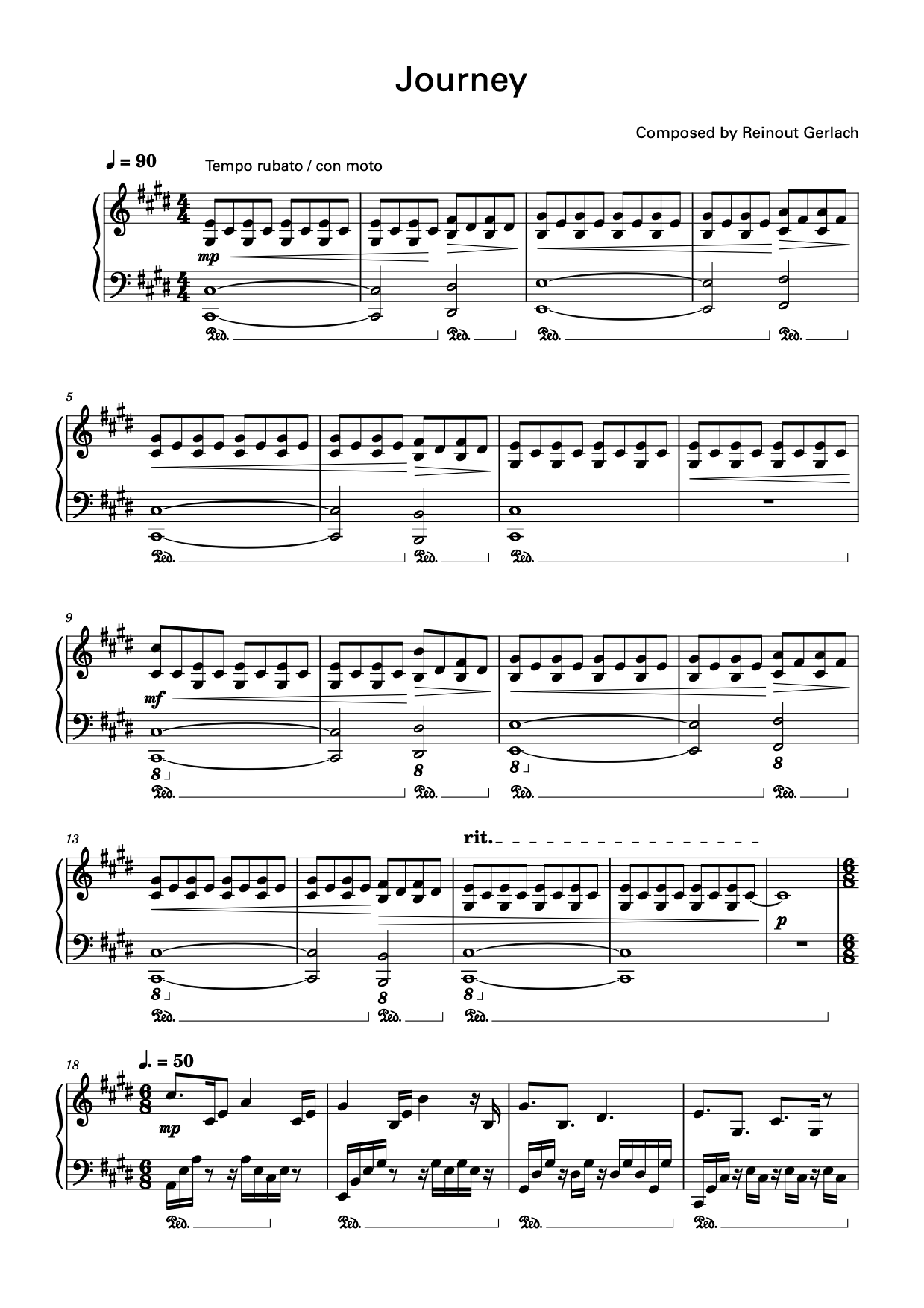
Having navigated the technical challenges and motivational strategies for “Für Elise,” you stand at a wonderful threshold. The skills and musical understanding you’ve developed are not just for this single piece; they are the foundation upon which you can build a rich and rewarding lifelong relationship with the piano. This journey is one of continuous discovery, opening doors to new music, deeper personal fulfillment, and a vibrant community.
Beyond Fur Elise
Mastering “Für Elise” is a significant accomplishment. It proves you can learn a complex musical structure, coordinate both hands, and express a beautiful melody. The natural next step is to apply these skills to new pieces, expanding your repertoire and continuing your technical growth.
Expanding Your Classical Knowledge
Your success with Beethoven opens the door to a vast world of classical music. Many composers have written pieces that are accessible and build directly on the techniques you’ve already practiced.
- Exploring Beethoven’s other beginner-friendly works: Beethoven wrote several compositions that are perfect next steps. Consider his “Ecossaise in G Major” or the famous “Ode to Joy” theme from his Ninth Symphony. The second movement of his “Pathétique” Sonata, while more advanced, offers a beautiful, slow melody that is excellent for developing expressive playing.
- Discovering contemporary pieces with similar technical demands: The world of modern piano music is full of beautiful pieces. Composers like Yann Tiersen (“Comptine d’un autre été”) or Ludovico Einaudi (“I Giorni”) write music that often shares the lyrical, arpeggiated quality of “Für Elise,” providing a fresh sound while reinforcing your skills.
- Building a diverse repertoire across musical genres: Don’t limit yourself to one era. Explore the precise beauty of Baroque music with a Minuet by Bach or the lyrical Romanticism of a Schumann piece from “Album for the Young.” Adding jazz standards, pop arrangements, or film themes to your practice keeps your musical diet varied and engaging.
Continuing Education Pathways
How you choose to continue learning is a personal decision. The best path is one that fits your goals, schedule, and learning style. Here are the primary avenues available to you in 2025.
| Pathway | Description | Best For |
|---|---|---|
| Formal Music Education | Structured programs at universities, conservatories, or community colleges leading to degrees or certificates. | Students seeking a comprehensive, in-depth understanding of music theory, history, and performance, often for a professional career. |
| Self-Directed Learning | Using online courses, method books, video tutorials, and apps to guide your own progress at your own pace. | Independent learners with clear goals who are self-motivated and enjoy curating their own learning materials. |
| Community Music Programs | Group classes, workshops, or ensembles offered by local music schools, community centers, or adult education programs. | Players who enjoy social interaction, thrive on group energy, and want a structured class without the intensity of formal education. |
The Lifelong Benefits
The value of learning piano extends far beyond the ability to play a few pieces. It is an investment in your overall well-being and a passport to a unique global community.
Cognitive and Emotional Rewards
The discipline of regular practice delivers profound benefits that resonate in all areas of your life.
- Improved memory and concentration through musical study: Learning and memorizing music is a full-brain workout. It strengthens neural connections, enhances your ability to focus for extended periods, and improves both short-term and long-term memory recall.
- Emotional expression and stress reduction through performance: The piano is a powerful outlet for emotion. Playing can be a form of meditation, allowing you to channel feelings of joy, sadness, or contemplation through the music. This creative expression is a proven and effective way to manage stress.
- Cultural appreciation and historical understanding: When you learn a piece by Beethoven, you are connecting with a composer who lived over 200 years ago. You gain insight into the culture, aesthetics, and emotions of a different time, fostering a deeper appreciation for human history and creativity.
Joining the Musical Community
Music is fundamentally a form of communication and connection. By becoming a pianist, you gain entry into a welcoming and supportive global community.
- Opportunities for ensemble playing and collaboration: As your skills grow, you can play duets with another pianist, accompany singers or instrumentalists, or join a band or orchestra. This collaborative aspect of music-making is incredibly rewarding and teaches vital listening and teamwork skills.
- Performance venues from informal gatherings to formal recitals: Sharing music with others is a core part of the experience. This can range from playing for your family at home to participating in organized recitals, community events, or online video sharing. Each performance builds confidence and shares the gift of music.
- Lifelong learning and skill development possibilities: The journey of a musician never truly ends. There is always a new piece to learn, a new technique to master, or a new genre to explore. This continuous growth ensures that the piano remains a source of challenge, joy, and discovery for decades to come.



 Guide)
No comment