

Did you know ‘Jingle Bells’ uses just five notes, making it the perfect gateway for musical beginners? This timeless Christmas classic offers unparalleled accessibility through its pentatonic scale and repetitive patterns that feel instantly familiar. Its simple rhythmic structure and cross-instrument compatibility create the ideal foundation for first-year piano, trumpet, and violin students. Discover why generations of musicians have started their journey with this holiday staple and how digital innovation makes learning easier than ever in 2025.
Why Jingle Bells is Perfect for Beginners
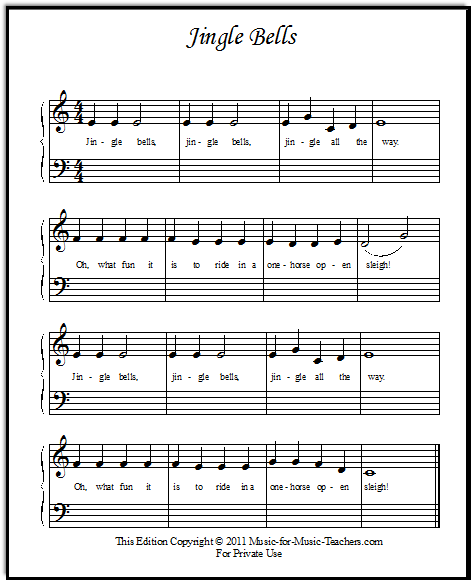
The Universal First Christmas Song
Musical Simplicity for Rapid Learning
For anyone just starting their musical journey, “Jingle Bells” is the ultimate training wheels. Its genius lies in its straightforward construction.
- Built on a pentatonic scale with repetitive patterns: The melody primarily uses just five notes (G, A, B, D, and E in the key of G Major), which is the same scale used in countless nursery rhymes and folk songs. This makes it feel instantly familiar to your fingers and ears. The phrase structure is highly repetitive, meaning you learn a short musical idea and then repeat it with slight variations, accelerating the mastery process.
- Limited range ideal for beginner instruments: The original melody spans a very manageable octave. This is perfect for young vocalists whose voices are still developing and is equally suited for instruments like the recorder, piano, trumpet, and violin, where navigating a wide range of notes is a first-year challenge.
- Simple rhythmic structure based on quarter and eighth notes: The rhythm is almost entirely a steady, march-like beat. You’ll be dealing with basic quarter notes (one beat) and paired eighth notes (two notes per beat). There are no complex syncopations or dotted rhythms to trip over, allowing you to focus on note accuracy and steady tempo.
Cross-Instrument Compatibility
One of the biggest advantages of “Jingle Bells” is its chameleon-like ability to fit any beginner instrument.
- Melody easily adaptable to piano, trumpet, violin, and voice: The tune sits comfortably within the standard range of most starter instruments. Pianists can play it with one hand, trumpet players don’t have to venture into difficult high notes, and violinists can play it in first position.
- Basic chord progression (I, IV, V) in G Major: The harmony is a classic three-chord song, using the G Major (I), C Major (IV), and D Major (V) chords. This is the most fundamental progression in Western music. For guitarists, these are some of the first chords learned. For pianists, they are easy to grasp, and for ensemble players, it teaches the crucial concept of how a melody fits with harmony.
- Minimal technical demands for first-year students: The song requires no advanced techniques like fast fingerings, complex bowings, or tricky embouchure changes. It allows a student to concentrate on the basics: producing a clear tone, reading the staff, and maintaining a consistent rhythm.
Historical Context Meets Modern Accessibility
From Sleigh Song to Christmas Staple
The song’s journey to becoming a beginner’s anthem is as simple as its melody.
- Originally published as “One Horse Open Sleigh” in 1857: James Lord Pierpont composed it for a Thanksgiving program in Boston. It was originally a “sleighing song” rather than a dedicated Christmas carol, which partly explains its universal, festive feel.
- James Pierpont’s composition has remained unchanged for beginners: For over 160 years, the core melody that every child learns has been the same. This consistency means that learning “Jingle Bells” connects you to a long, unbroken tradition of music students.
- Public domain status ensures free access to sheet music: Since the copyright expired long ago, “Jingle Bells” is free for anyone to use, arrange, and distribute. This is the single biggest reason you can find thousands of free, legal arrangements online, from the simplest versions to complex jazz interpretations.
Ready to put this into practice? You can get started immediately by downloading your own easy-to-read arrangement. For a high-quality Jingle Bells sheet music (Easy & Original PDF) that’s perfectly formatted for beginners, check out this resource.
- Product: Premium Beginner Sheet Music PDF
- Link: Click to download the sheet music for Jingle Bells
Finding Your Perfect Jingle Bells Arrangement
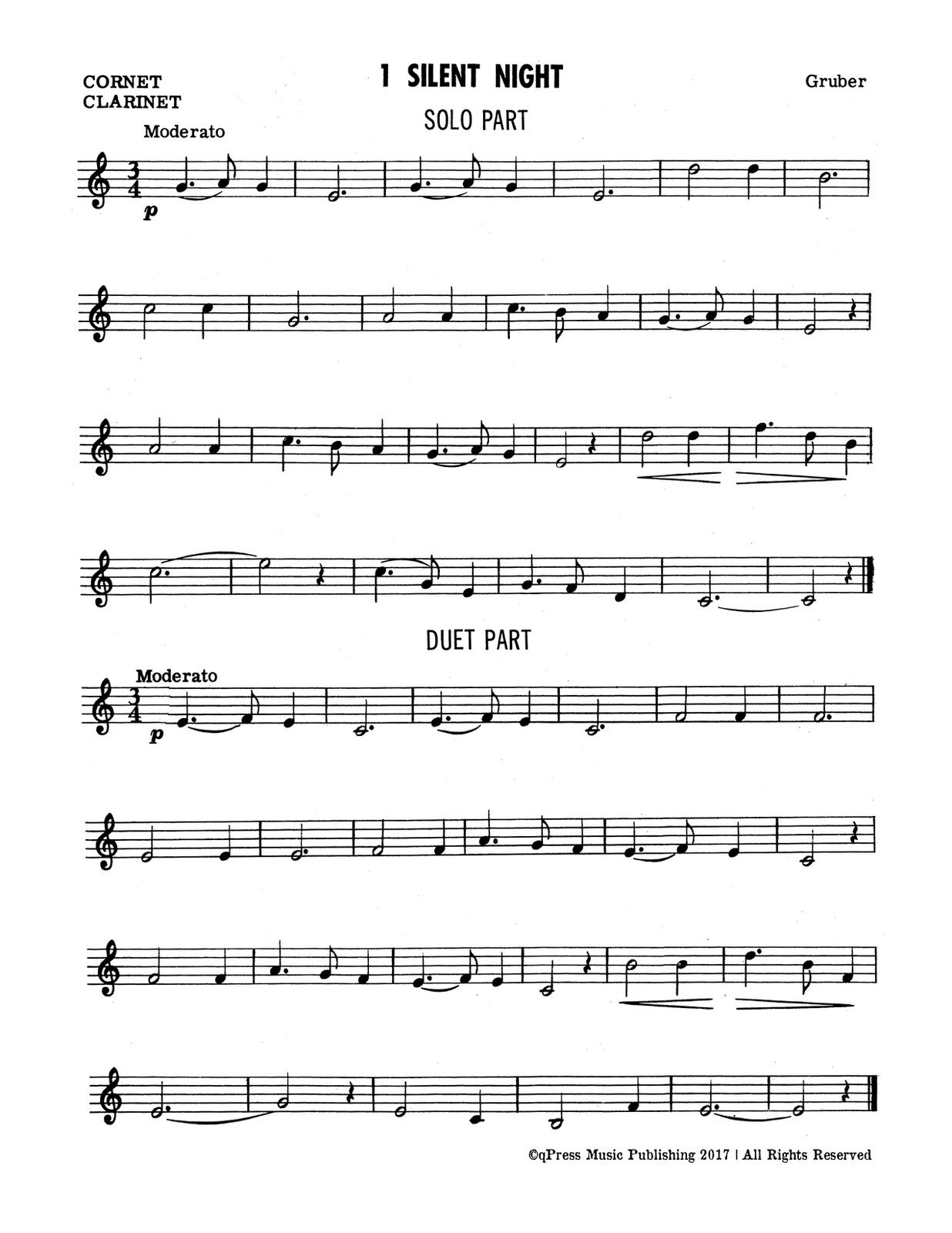
Easy Piano Sheet Music Options
Simplified Versions for First-Year Players
For the budding pianist, the goal is to find an arrangement that feels achievable and builds confidence. A prime example is Piano Notion’s “Jingle Bells [easy]” arrangement. It’s thoughtfully designed across a 2-page layout, minimizing distracting page turns in the middle of the melody. It stays in the friendly key of G Major, using only basic triads for the left-hand part—meaning you’ll be playing solid, block chords that provide a full, satisfying sound without complex patterns. With a suggested metronome marking of quarter note = 80 BPM, it encourages a steady, joyful pace that isn’t too fast for unsteady fingers.
Progressive Difficulty Levels
The beauty of “Jingle Bells” on the piano is how it can grow with you. The learning path is clear:
- Beginner: These versions place the melody solely in the right hand with single-note left-hand accompaniment or simple chords. They often include finger numbers (e.g., “3” on G) to guide proper technique from the start.
- Intermediate: At this level, the left hand graduates from simple chords to a more flowing accompaniment, perhaps a broken chord pattern or a light arpeggio that makes the piece sound more sophisticated.
- Advanced: For the seasoned player, “Jingle Bells” becomes a playground for improvisation. Arrangements might include swinging jazz rhythms, rich extended chords (like G6/9 or D7#9), and complex harmonies that transform the simple tune into a professional performance piece.
Beginner Trumpet Music Resources
B-flat Trumpet Specific Arrangements
Trumpet players need sheet music tailored to their transposing instrument, and thankfully, “Jingle Bells” is abundantly available in B-flat. You can find free PDF downloads on sites like Scribd that condense the entire song onto a single, uncluttered page—perfect for a music stand. These beginner arrangements wisely limit the range, typically staying between concert A4 and E5, which keeps you in a comfortable, resonant part of the instrument’s register without straining for high notes. Marked with an Allegretto tempo (a lively but not frantic “walking pace”), it allows you to focus on tone production rather than sheer speed.
Essential Technique Development
For a first-year trumpet student, “Jingle Bells” is more than a fun tune; it’s a disguised technical workout.
- Clean Articulation and Breath Control: The repetitive “jingle all the way” phrase is perfect for practicing crisp “tonguing” on each note. The short, structured phrases also teach you to plan your breaths, reinforcing good air support habits.
- Practice Common Finger Patterns: The melody naturally exercises fundamental finger combinations, such as moving between the open valves (0), first and second valves (1-2), and just the second valve (2). Mastering this in a familiar song builds muscle memory.
- Seasonal Motivation for Consistent Practice: Let’s be honest, practicing scales can get tedious. Having a recognizable, festive goal like learning “Jingle Bells” provides a powerful incentive to pick up the horn every day during the holiday season, turning routine practice into a joyful event.
To get started on your instrument right away, a well-crafted jingle bells sheet music (Easy & Original PDF) is just a click away. You can find a fantastic, crystal-clear arrangement designed specifically for beginners here.
- Product: Premium Beginner Sheet Music PDF
- Link: Click to download the sheet music for Jingle Bells
Common Beginner Mistakes and How to Fix Them

Learning a new piece is exciting, but it’s easy to develop habits that hold you back. Let’s tackle some of the most common pitfalls beginners face, especially when playing a lively tune like the one from our jingle bells sheet music (Easy & Original PDF), and more importantly, how to fix them for good.
Rhythm and Timing Issues
The energy of “Jingle Bells” can sometimes work against you, leading to rhythmic inaccuracies that undermine an otherwise solid performance.
The “Rushing” Syndrome in Holiday Music
Feeling the urge to speed up, especially in the famous “Jingle all the way” phrase? You’re not alone. This is the “rushing syndrome,” and it’s the number one enemy of a clean, professional-sounding performance.
- Metronome strategies for internalizing steady tempo: Your metronome is your best friend, not a taskmaster. Start by setting it to a painfully slow tempo where you can play every note perfectly. Only increase the tempo by 2-4 beats per minute once you can play the entire piece through without a single mistake. This builds a rock-solid internal clock.
- Subdivision exercises for eighth note patterns: “Jingle Bells” is full of steady eighth notes (e.g., “jin-gle bells, jin-gle bells”). To keep them even, practice by saying or thinking “1-and-2-and-3-and-4-and” in time with your metronome. This ensures the notes between the beats are just as precise as the beats themselves.
- Recording and analysis for self-assessment: Use your phone to record a video of yourself playing. Listen back critically—are you consistently speeding up at the same exciting parts? Hearing it from the listener’s perspective is often the most effective way to identify and correct rushing.
Musical Phrasing vs. Mechanical Playing
Playing the right notes at the right time is only half the battle. The other half is making it sound like music.
- Understanding the “sleigh ride” character of the piece: “Jingle Bells” isn’t a technical exercise; it’s a song about a fun, bumpy sleigh ride! Imagine the scene. This mental picture will naturally influence your playing, adding a lightness and joy that rigid note-reading lacks.
- Dynamic shaping even in simplified arrangements: Your easy arrangement doesn’t have to be flat. Add your own simple dynamics. Try playing the first line medium-soft (
mp), the second line a bit louder (mf), and the “Jingle all the way” phrase with enthusiasm (f). This simple shaping makes the piece come alive. - Breathing points for wind players and singers: For wind instruments and voice, breath is your phrasing tool. Mark logical breathing spots in your jingle bells sheet music (Easy & Original PDF). Think of it like adding punctuation to a sentence—a breath after “Jingle bells, jingle bells” creates a natural and musical pause.
Technical Foundation Building
Solid technique is what allows you to play comfortably and avoid injury. Let’s build that foundation correctly from the start.
Posture and Hand Position Fundamentals
How you hold your body and instrument is 90% of the battle for good tone and ease of playing.
- Piano-specific: curved fingers and relaxed wrists: Imagine holding a small bubble in each hand without popping it. That’s the natural curved shape your fingers should maintain. Keep your wrists level with the keyboard, not sagging down or sticking up. Tense, flat fingers will create a harsh sound and limit your speed.
- Trumpet-specific: embouchure formation and air support: Don’t puff your cheeks! Corners of the mouth should be firm, and the airflow should be steady and fast, like you’re blowing out a candle across the room. The sound comes from this focused airstream, not from mashing the mouthpiece.
- Universal: body alignment and instrument positioning: Whether you’re at a piano or holding a guitar, sit up straight. Your shoulders should be relaxed and down. Bring the instrument to you; don’t contort your body to reach the instrument. Good posture prevents fatigue and allows for better control.
Practice Efficiency Techniques
Mindless repetition is a waste of time. Smart practice is what leads to rapid progress.
- Chunking method for rapid memorization: Don’t practice the whole song from start to finish every time. Break it into “chunks”—often a phrase or a line of music. Isolate the tricky “dashing through the snow” measure and repeat it slowly 5-10 times perfectly before moving on. Then, link it to the previous and next chunks.
- Slow practice principles for accuracy: Speed is a byproduct of accuracy, not the other way around. Practice so slowly that it’s impossible to make a mistake. This builds correct muscle memory. As the great pianist Arthur Rubinstein said, “You must learn to be slow in order to be fast.”
- Mental practice away from the instrument: Look at your jingle bells sheet music (Easy & Original PDF) away from your instrument. Hear the melody in your head, visualize your fingers moving to the correct notes, and “feel” the rhythm. Studies show that mental practice can be nearly as effective as physical practice for reinforcing learning and is perfect for a quick session during a break.
Mastering these fundamentals with a simple piece like the one in our jingle bells sheet music (Easy & Original PDF) sets you up for success with every song that follows. The goal isn’t just to play “Jingle Bells,” but to become a better musician.
- Product: Premium Beginner Sheet Music PDF
- Link: Click to download the sheet music for Jingle Bells



)
No comment