
Did you know that over 1.8 million free piano scores are now available online, completely transforming how we learn music? The digital revolution has dismantled the century-old barrier of expensive, inaccessible sheet music, creating a paradigm shift in piano education. This guide explores how free online resources are democratizing music access, from global repositories to specialized platforms, while navigating the crucial copyright landscape to ensure your musical journey is both rich and legally sound.
The Digital Music Revolution
How Free Resources Are Changing Piano Education
For centuries, access to sheet music was a significant barrier to learning the piano. It was a world of expensive, printed folios, limited selections at local music stores, and the daunting cost of a single mistake—a wrong purchase meant money wasted. The internet has dismantled this barrier entirely, creating a paradigm shift as profound as the invention of the printing press was for literature. We are now in an era where a student in a remote town has a broader and more immediate library of music at their fingertips than a professional concert pianist did just thirty years ago. This isn’t just an incremental change; it’s a complete overhaul of the ecosystem of musical learning.
The Shift from Print to Digital
The most immediate and measurable impact of free online sheet music is economic. Consider the average cost of a standard printed sheet music book for piano, which can range from $10 to $30. A single piece of pop music might cost $5. Now, imagine a dedicated student learning just two new pieces every month. The annual cost would easily surpass $120, a substantial investment before even considering the price of lessons or the instrument itself. Free online repositories eliminate this variable cost, transforming it into a fixed, predictable one—the internet connection you already have.
This economic liberation has a profound global impact, particularly in underserved regions. A child in a rural community without a single music store can now download Beethoven sonatas, study jazz harmonies, or learn the latest film score. This global accessibility is democratizing music education, creating a more level playing field where passion and aptitude, rather than geographic and economic privilege, can dictate one’s musical journey. The resources that were once guarded by institutional gates are now available in the public square, fostering a new, globally connected generation of musicians.
The Copyright Conundrum in the Digital Age
However, this new digital library of Alexandria is not without its complexities, primarily revolving around the intricate web of copyright law. Platforms hosting free sheet music must constantly navigate the legal distinction between public domain and copyrighted works. In 2025, any work published before 1929 is firmly in the public domain in the United States, meaning the compositions of Bach, Mozart, Beethoven, and Chopin are free for anyone to copy, distribute, and host. This is the bedrock of many free sheet music sites.
The grey area emerges with modern works. A user-uploaded arrangement of a recent pop song or a film theme exists in a legal limbo. Platforms tackle this in several ways. Some operate on a “notice and takedown” basis, relying on copyright holders to identify and report infringing material. Others, like the International Music Score Library Project (IMSLP), maintain rigorous, librarian-like standards, verifying the public domain status of every upload. Some sites host user-generated content but explicitly prohibit the upload of copyrighted material without proof of a license, placing the legal onus on the uploader. This ongoing negotiation between open access and intellectual property rights is the central tension of the digital music revolution, shaping what is available and how we access it.
The Revolution in Music Education
How Digital Access is Transforming Piano Practice
The previous section outlined the economic and global shifts; now, let’s examine the operational revolution. The change isn’t just about cost—it’s about velocity and scope. Digital access has fundamentally altered the very rhythm of piano practice. The “I want to play that now” impulse, which once would have been stalled by a days-long trip to a music store, can be satisfied in under a minute. This immediacy transforms learning from a structured, planned activity into a dynamic, curiosity-driven exploration. A student practicing a Chopin nocturne can, within moments, stumble upon a simplified arrangement of a video game theme, download it, and begin sight-reading, all within a single practice session. This fluidity breaks down the artificial walls between “serious” repertoire and “fun” music, fostering a more holistic and sustained engagement with the instrument.
The Democratization of Sheet Music
The core of this transformation lies in the shift from a curated, top-down publishing model to a sprawling, community-driven ecosystem. Traditional publishers acted as gatekeepers, deciding which pieces were commercially viable enough to print. This inherently limited the available repertoire to the most popular classical works, Broadway hits, and chart-topping pop songs.
Community-driven platforms have inverted this model. Sites like MuseScore and IMSLP don’t have to worry about physical shelf space or print run minimums. The result is a catalog of staggering diversity.
| Traditional Model | Community-Driven Model |
|---|---|
| Limited by physical shelf space and print runs | Virtually unlimited digital “shelf space” |
| Repertoire decisions made by a few publishers | Repertoire driven by user demand and contributions |
| Access delayed by shipping and store hours | Real-time, 24/7 access from anywhere |
| Focus on broadly popular works | Includes niche genres, obscure works, and user arrangements |
This table illustrates the paradigm shift. A pianist can now find not only Beethoven’s sonatas but also an arrangement of a film score from Japan, a traditional folk song from Bulgaria, or a fellow user’s original composition. This real-time access eliminates the waiting period for physical sheet music delivery, turning the global community of musicians into a collective, living library. The barrier to sharing one’s own arrangement or composition has evaporated, creating a vibrant, ever-expanding repository of music.
The Copyright Conundrum
Navigating this new library requires an understanding of its cataloging system, which is based on copyright law and licensing. As established, the foundation of free sheet music is the public domain. In 2025, with the U.S. public domain including works from 1928 and earlier, a pianist has legal, free access to the entire corpus of music from the Baroque, Classical, and most of the Romantic eras. This is the safe harbor, the vast and deep reservoir of masterpieces from composers like Bach, Mozart, Debussy, and Ravel.
The more complex, yet equally fascinating, area involves contemporary works. This is where understanding licenses like Creative Commons (CC) becomes crucial. When a user on a site like MuseScore uploads their own arrangement of a recent pop song, they often do so under a specific CC license. These licenses are not an avoidance of copyright but a structured way for creators to grant certain permissions.
For instance, a license might allow free distribution as long as the arranger is credited (CC BY). Another might permit sharing but prohibit commercial use (CC BY-NC). Some arrangers explicitly license their work into the public domain (CC0). For the pianist, this means you can legally download and play a vast number of modern arrangements, provided you respect the license terms. It’s a system built on a ethos of sharing and attribution, creating a legal framework for the community-driven model to thrive alongside the world of copyrighted, for-profit music.
To truly do justice to the music you discover, the instrument you play matters. The subtle dynamics of a Chopin prelude or the driving rhythm of a modern arrangement demand a responsive keyboard and rich sound. For the pianist serious about their craft, the [Yamaha P-225 Digital Piano] offers the authentic touch and tone needed to bridge the digital score and the physical performance. Explore it further at [https://www.yamaha.com/pianos].
TOP1-MuseScore: The Titan of Free Sheet Music
Inside the World’s Largest Music Community
If the digital sheet music revolution has a capital city, it is MuseScore. This isn’t merely a website; it’s a sprawling, bustling metropolis of musicians, built on the principle that anyone, anywhere, should be able to share and discover music. The numbers are staggering, but they tell only part of the story. The true magic lies in what these numbers represent: a complete inversion of the traditional music publishing model, where the users are both the consumers and the creators.
Unprecedented Scale and Diversity
The sheer volume of available music is the first thing any visitor encounters. As of 2025, the platform hosts over 1,871,850 piano scores. This figure isn’t static; it grows by thousands of entries each week, a testament to the relentless creative output of its global community. This collection spans every conceivable genre, from meticulously transcribed Baroque suites to piano reductions of the latest K-pop hits uploaded within days of a song’s release.
Crucially, this is not a repository solely for the advanced pianist. A significant portion of this library—1,063,987 scores, to be exact—is explicitly tagged as beginner-friendly. These are often simplified arrangements that allow a novice to play the melody of their favorite movie theme within their first few months of lessons. This focus on accessibility ensures the platform serves not just seasoned musicians, but also the crucial first wave of new learners, feeding the ecosystem for years to come.
Interactive Versus Traditional Formats
MuseScore’s innovation extends beyond mere access. It introduced a dynamic, interactive score format that has fundamentally changed how many people engage with sheet music. The platform features 2,490,936 of these interactive scores. With a click, you can hear the piece played back, follow along with the scrolling notation, and adjust the tempo to suit your learning pace. It’s like having a patient, digital teacher demonstrating the piece for you.
Yet, the platform wisely acknowledges that not every musician has abandoned the tactile pleasure of paper. Alongside its interactive offerings, it provides 1,144,930 scores available as direct PDF downloads. This dual-format approach caters to all preferences: the tech-savvy musician who learns on a tablet and the traditionalist who prefers to print, scribble fingerings in the margins, and feel the pages turn.
Mastering the MuseScore Ecosystem
Navigating a library of this size presents its own challenge: how do you find quality and relevance amidst the ocean of choice? The platform’s design provides the tools, but using them effectively requires a specific strategy.
Navigating the Quality Spectrum
The first key is understanding the source of the music. The catalog is divided into two primary streams: Official Scores (1,236,539), which are often vetted, professionally engraved publications, and Community Uploads (2,399,327), which are user-generated arrangements and compositions. The official scores are your safe bet for accuracy, but the community uploads are the heart of the platform’s diversity, containing countless unique arrangements and niche genres.
To navigate this, you must become a detective of metadata. The user rating system and view counts are your primary clues. A score with hundreds of five-star reviews and tens of thousands of views is almost certainly a high-quality, popular arrangement. Conversely, a new upload with no ratings requires a more cautious approach—the interactive playback feature becomes essential for a quick quality check before you commit to downloading.
Advanced Search Strategies
The basic search bar is a blunt instrument. The real power lies in the advanced filters. The most critical filter for any pianist is by difficulty level. The data reveals a clear pyramid of content: a massive base of 1,063,987 Beginner arrangements, a robust middle of 683,160 Intermediate pieces, and a sharp peak of 87,860 Advanced works. This granular filtering prevents a beginner from being overwhelmed by a Prokofiev sonata and guides an advanced player past simplified pop tunes to the challenging repertoire they seek.
Furthermore, you can drill down into instrument-specific arrangements. Looking for a solo piano version of a string quartet? A duet for piano and flute? The filters allow you to move beyond “piano” to find “Piano, Flute” duets or “Piano 4-Hands” works, opening up a world of collaborative possibilities that would be difficult and expensive to source in print.
TOP2-The Classical Treasure Troves
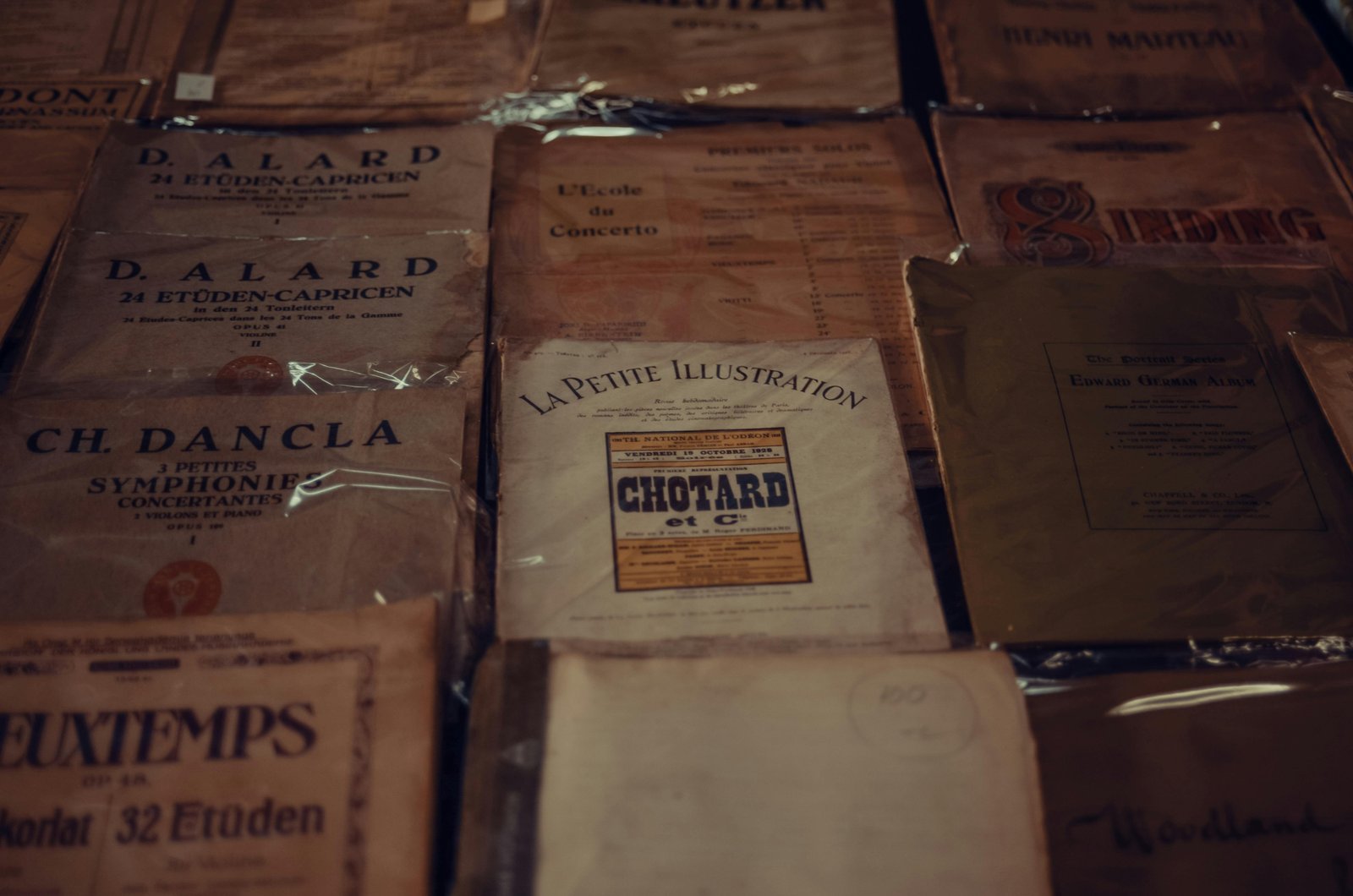
While MuseScore represents the vibrant, user-driven present of music sharing, there exists another class of online library dedicated to preserving the past. These are the archives, the digital museums where the masterworks of centuries are meticulously cataloged and made freely available. They operate on a different premise: not that anyone can contribute, but that certain works belong to everyone.
IMSLP: The Scholar’s Paradise
Imagine a library so vast it contains nearly every notable classical composition written before 1928. This is IMSLP, also known as the Petrucci Music Library. It is not a social network for musicians; it is a reference library of staggering ambition, built on the principle that once a work’s copyright expires, it should become a permanent, free resource for humanity. For the classical pianist, it is nothing short of indispensable.
Public Domain Perfection
The core of IMSLP’s collection is its historical editions. You won’t find simplified arrangements of Beethoven’s “Moonlight” Sonata here. Instead, you will find the original, unedited urtext, exactly as the composer intended. More importantly, you will often find multiple historical editions of the same work side-by-side. This allows a pianist to compare an 1880 German engraving of a Chopin Nocturne with a 1910 French edition, noting the subtle differences in phrasing and articulation that can illuminate a composer’s intentions.
This access transforms how a serious student approaches a piece. It’s no longer about finding a version of a Bach Fugue; it’s about studying the same piece through the lens of different editors from different eras, each offering a unique interpretive insight. This depth of material, all legally available because the works are in the public domain, provides a foundation for artistic interpretation that is simply unavailable elsewhere.
Research-Grade Resources
IMSLP’s value extends beyond the sheet music itself. It is a hub for composer biographies and historical context, often linking directly to Wikipedia. This turns a practice session into a scholarly pursuit. Before tackling a Mozart sonata, you can read about the circumstances of its composition, the instrument it was written for, and its place within the composer’s overall output.
Furthermore, the platform is curated to favor academic-quality editions. While anyone can upload a scan, the community actively flags and removes poor-quality or inaccurate files. The result is a repository where you can trust the musical text. For the advanced pianist preparing for a competition or a recital, this reliability is paramount. It is a resource built not for casual entertainment, but for serious study.
Musopen: Beyond Sheet Music
If IMSLP is the library, Musopen is the complete learning lab. It operates on a similar public-domain foundation but with a crucial, learner-centric twist: it integrates multiple media to create a holistic educational experience. Its mission is not just to provide the score, but to provide everything you might need to understand and perform it.
The Complete Learning Package
Musopen’s most powerful feature is its curated collection of free recordings alongside its sheet music. For a student, this is transformative. You can listen to a professional recording of a Satie Gymnopédie while following along with the score, absorbing the tempo, dynamics, and phrasing. This audio reference is an invaluable tool for developing a sense of style and performance practice, bridging the gap between reading the notes and making music.
Beyond recordings, the site often provides educational materials and practice guides. You might find a brief essay on the structure of a sonata form piece you are learning, or exercises designed to tackle the technical challenges in a specific etude. This turns the platform from a simple sheet music repository into a guided curriculum for the self-motivated learner.
Quality Control in Public Domain
While the public domain is its source, Musopen actively refines that raw material. A significant portion of its catalog consists of professionally typeset scores, created in-house or commissioned, ensuring clarity and readability that can sometimes be lacking in century-old scanned editions. This focus on presentation makes the music more approachable and less daunting to decipher.
The combination of these professionally typeset scores with high-quality audio references creates a powerful feedback loop. A pianist can study a clean, modern edition of a piece, use the recording as an aural guide, and then critique their own playing against that benchmark. This integrated approach makes Musopen particularly effective for students and teachers who are building a repertoire from the classical canon.
TOP3-8notes:Modern Platforms for Contemporary Musicians
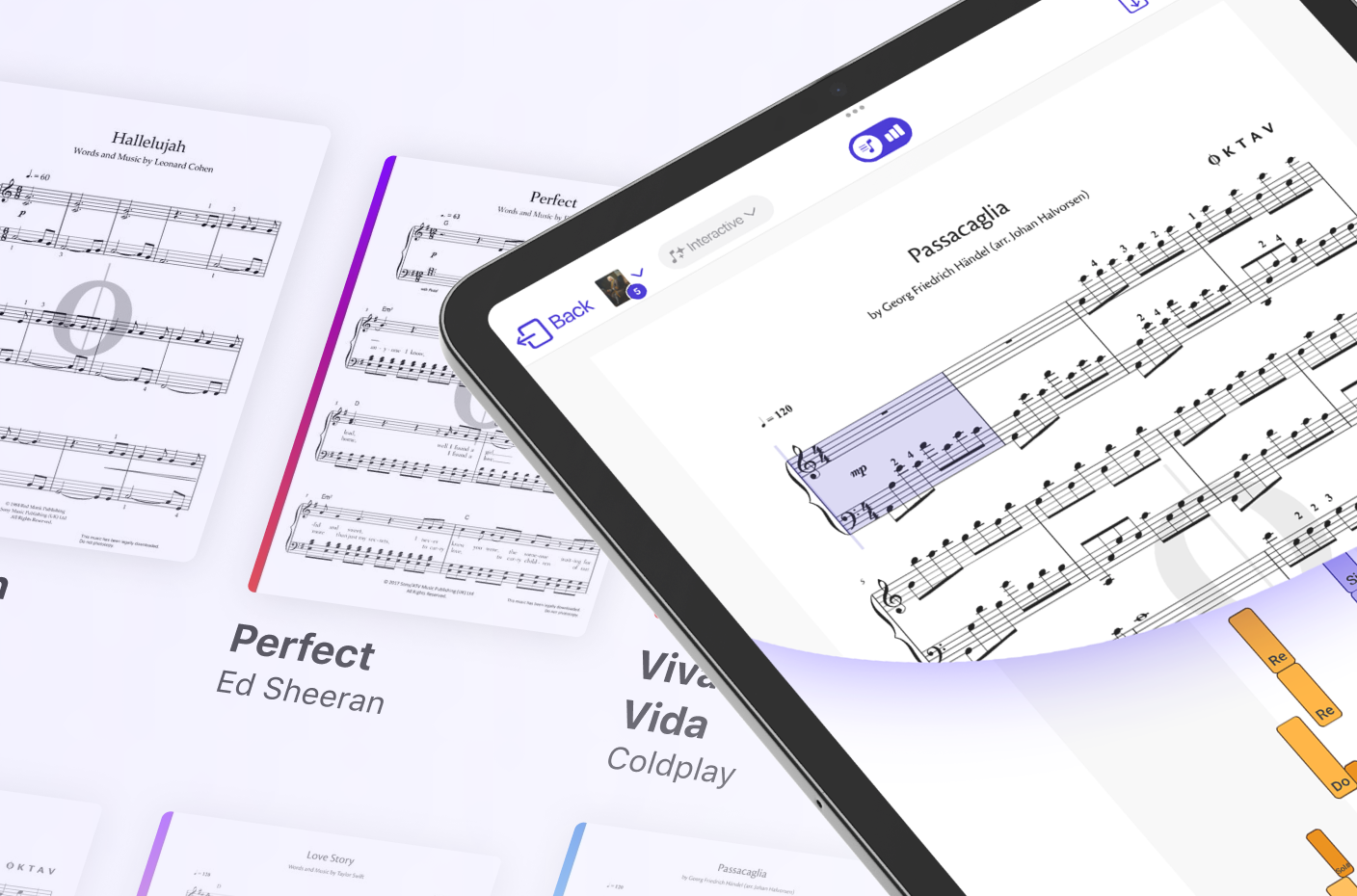
The digital libraries for classical music are invaluable, but they represent only one facet of a pianist’s world. The modern musician often lives in a genre-blended reality, moving from a Bach invention to a Billy Eilish ballad in a single practice session. A new class of platform has emerged to meet this demand, serving not as austere archives, but as dynamic, adaptable toolkits for the eclectic pianist.
8notes: The Genre-Blending Powerhouse
If IMSLP is a museum, 8notes is a bustling, well-stocked music superstore. It operates on a simple but powerful premise: a pianist should be able to find sheet music for nearly any piece of music they can hum, regardless of its origin or complexity. This has made it a go-to destination for players who refuse to be confined by genre.
From Classical to Current Hits
The sheer breadth of 8notes’ library is its defining feature. A quick browse reveals a landscape where a Beethoven sonata sits comfortably beside a Beyoncé hit. This is where you go when you want to play the theme from a popular Netflix show, a classic rock anthem, or a current pop chart-topper. The platform thrives on this diversity, catering to the pianist who is as likely to be asked to play at a wedding as in a recital hall.
Beyond the raw catalog, 8notes enhances its utility with interactive tools like transposition and playback. Before you even download a piece, you can change its key to match your vocal range or listen to a synthesized version to grasp the melody and rhythm. This functionality transforms the sheet music from a static document into a flexible starting point for personalization and arrangement, a necessity for the working contemporary musician.
Skill-Level Adaptability
Perhaps 8notes’ most significant innovation is its democratization of difficulty. Recognizing that not every pianist tackling a complex modern piece is a virtuoso, the site specializes in progressive difficulty arrangements of popular songs. You can find “Hallelujah” arranged for a beginner who has just learned their chords, an intermediate player looking for a richer texture, and an advanced musician seeking a concert-level interpretation.
This is supported by a suite of built-in learning features for music education. Many scores are linked to metronome settings, related scale practice, and even video lessons. This turns the platform from a mere repository into a pedagogical partner. It understands that the journey to playing a desired piece is as important as the sheet music itself, and it provides the scaffolding to make that journey possible for players of all levels.
Free-scores: The International Marketplace
While many platforms cater to a Western, English-speaking mainstream, Free-scores.com embraces a more global vision. It functions less like a curated store and more like a massive, international bazaar where contributors from around the world bring their unique musical offerings. The result is a collection that feels wonderfully diverse and occasionally unpredictable.
Global Music Perspectives
The platform’s greatest strength is its access to rare and unique compositions from worldwide sources. Here, you are as likely to find a traditional French folk song, a tango from Argentina, or a film score from a Japanese anime as you are to find a Chopin waltz. This global perspective is baked into its very structure, with a multi-language interface and score availability in French, English, Spanish, and German. For a pianist seeking to expand their repertoire beyond the standard canon, it is a treasure trove of discovery.
This international character means the library is built by a global community of composers and arrangers. You are not just accessing files; you are accessing the musical tastes and traditions of contributors from dozens of countries. This makes it an exceptional resource for finding music that is truly off the beaten path, offering a sonic passport to styles and pieces you would be hard-pressed to find anywhere else.
Audio Preview Functionality
In a marketplace filled with unique and user-uploaded content, the question of quality is paramount. Free-scores addresses this with a critical feature: audio preview functionality. Before committing to a download, you can almost always listen to a computer-generated rendering of the arrangement. This simple tool is incredibly powerful.
Hearing arrangements before downloading allows you to assess the arranger’s skill and the piece’s complexity. You can check if the jazz standard you found has a satisfying piano part or if it’s a simplistic melody line. This quality assessment through audio samples saves immense time and frustration, ensuring that the sheet music you get is what you actually expected. It introduces a layer of vetting and user confidence into an otherwise open and sprawling ecosystem.
TOP4-CPDL:Specialized Resources for Specific Needs
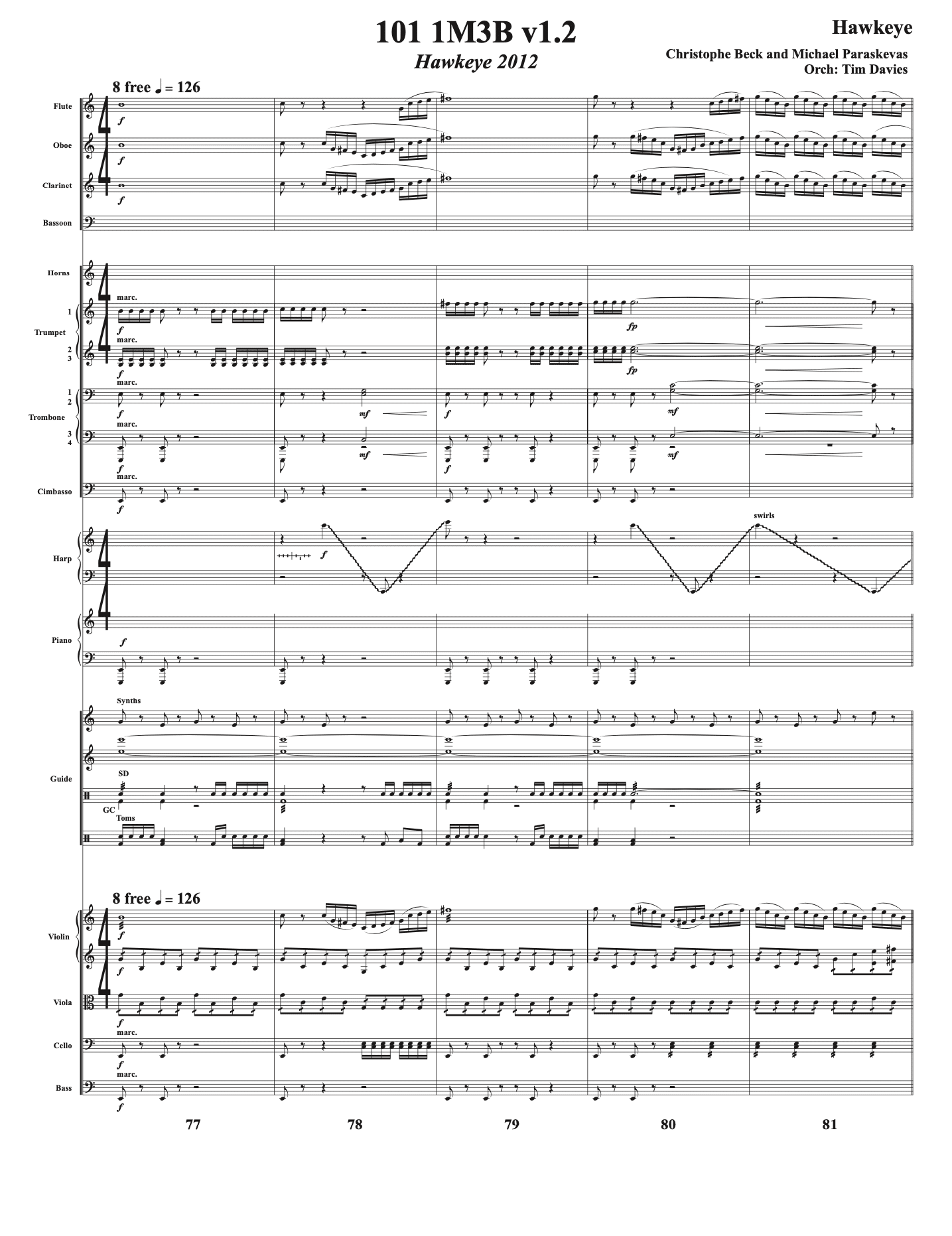
The platforms we’ve explored cater to the individual, genre-hopping pianist. But the ecosystem of free sheet music extends into more specialized, community-driven corners. These are the resources built not for the solitary player, but for the choir director preparing for the holiday concert, the band teacher outfitting an entire wind ensemble on a shoestring budget, and the scholar seeking historical performance context. They solve very specific, high-stakes problems for dedicated musical communities.
Choral Public Domain Library (CPDL): The Vocal Music Specialist
In the world of choral music, finding a piece is only half the battle. The other half involves sourcing individual parts, understanding the text, and perhaps even grasping its proper pronunciation. This is the multifaceted problem that the Choral Public Domain Library, or CPDL, was built to solve. It operates as a wiki, a massive collaborative project where musicians and scholars have pooled their expertise to create the web’s most comprehensive repository for free choral scores.
The Vocal Music Specialist
CPDL’s primary strength is its laser focus on the human voice. The library hosts thousands of vocal and choral scores with texts integrated directly into the musical notation. This seems like a simple feature, but for a choir director, it is a fundamental necessity. Beyond the raw scores, the platform often provides a layer of scholarly support that is rare to find for free. You will frequently find translations and pronunciation guides for texts in Latin, German, French, and other languages. This transforms CPDL from a simple file-sharing site into an invaluable rehearsal partner, offering the linguistic tools a choir needs to perform a piece with authenticity and understanding.
Ensemble-Focused Resources
The structure of CPDL is inherently collaborative, mirroring the nature of choral singing itself. A key feature is its systematic approach to parts distribution for choral groups. For any given mass or motet, a director can typically download the full conductor’s score alongside individual PDFs for Soprano, Alto, Tenor, and Bass parts. This logistical efficiency is a godsend for community choirs and school groups, eliminating the need for costly photocopying or part-book extraction.
Furthermore, many contributions are enriched with historical context for performance practice. It is common to find composer biographies, notes on the piece’s origins, and even discussions of editorial choices made in the score. This context allows a performer or director to make informed artistic decisions, connecting the dots between the notes on the page and the historical tradition from which they emerged. CPDL doesn’t just give you the music; it gives you a glimpse into its world.
TOP5-BandMusic PDF: The Ensemble Director’s Dream
If you have ever tried to purchase sheet music for an entire wind band, you understand the financial barrier instantly: a single piece can cost hundreds of dollars. BandMusic PDF was founded on the radical premise that this should not be a barrier to accessing great music. It is a meticulously curated library dedicated exclusively to the preservation and free distribution of public domain wind band literature.
Wind Band Excellence
The platform is a direct response to a very specific need: providing historical and contemporary wind band literature to anyone who needs it. Its collection is a deep dive into the core repertoire of the band world, from classic marches by John Philip Sousa to more substantial concert works. The critical offering here is the availability of complete sets for ensemble use. A band director can visit the site, find a piece, and download a PDF for every single instrument in the ensemble—from Piccolo and Eb Clarinet down to Tuba and Percussion. This single-handedly unlocks a vast catalog of music for school, military, and community bands that might otherwise be financially out of reach.
Educational Applications
The impact of BandMusic PDF is perhaps most profoundly felt in educational settings. It serves as an unparalleled school band program resource, allowing teachers to diversify their programming without straining their budget. A director can experiment with new (or rather, very old) pieces, provide challenging material for advanced students, and find accessible works for beginner ensembles, all without a financial commitment.
On a broader cultural level, the project is an act of rare score preservation and access. Many of the scores in its collection are from out-of-print editions or obscure publications that are physically decaying in library archives. By digitizing them and making them freely available, BandMusic PDF is ensuring that this important slice of musical heritage is not lost and remains a living, breathing part of the band tradition. It is a library, but it is also a digital museum dedicated to the enduring art of the wind ensemble.
To do justice to the rich harmonies of a choral piece or the powerful dynamics of a wind band transcription, you need an instrument that offers both clarity and depth. The [Yamaha P-225 Digital Piano] delivers the nuanced tonal range required for such diverse repertoire. Explore its capabilities further at [https://www.yamaha.com/pianos].
Your tablet or computer, paired with the right apps, can transform from a passive viewer into an active practice partner.
- Digital annotation capabilities. Using a PDF annotator app like ForScore or GoodNotes on a tablet, you can mark up your scores without ever using an eraser. Highlight tricky passages, write in your own fingering in a bright color, add analytical notes about harmonic structure, or draw arrows to remind yourself of a crescendo. This digital “pencil” is more versatile and permanent than any physical one.
- Metronome and recording integration. Many digital sheet music apps have a built-in metronome and audio recorder. This allows for a seamless workflow: you can struggle with a passage, immediately slow down the metronome to a manageable tempo, practice it, and then record yourself to objectively assess your progress. The ability to hear your own performance dispassionately is one of the most powerful tools for self-improvement.



No comment