
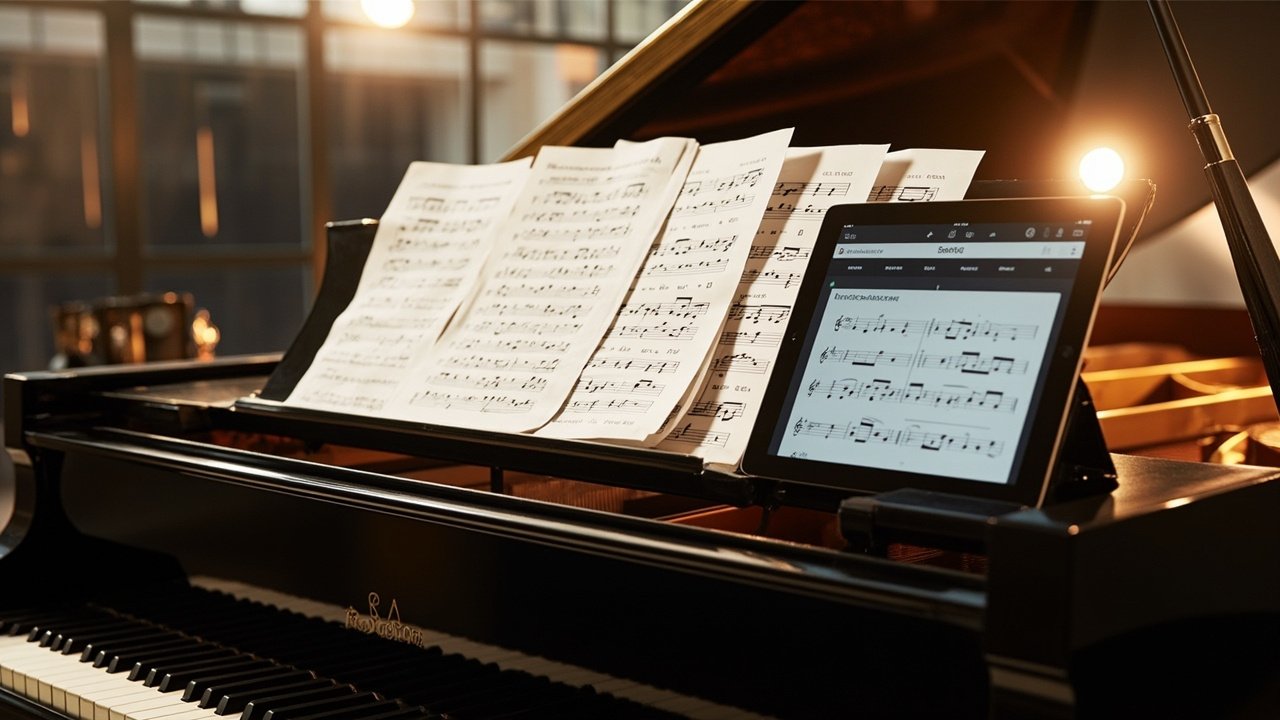
Did you know that beginner pianists face a staggering 12:1 ratio of available music compared to advanced players? The 10,000-hour rule for mastery is misleading—what truly accelerates your piano journey isn’t just practice time, but strategic sheet music selection. This guide reveals how navigating the digital landscape of over 2.4 million free scores can transform your progression from mechanical repetition to meaningful musical growth, helping you overcome the critical intermediate plateau through curated repertoire choices.
The 10,000-Hour Myth and Your Piano Journey
Why More Practice Isn’t Always the Answer
The Hidden Variable Most Pianists Miss
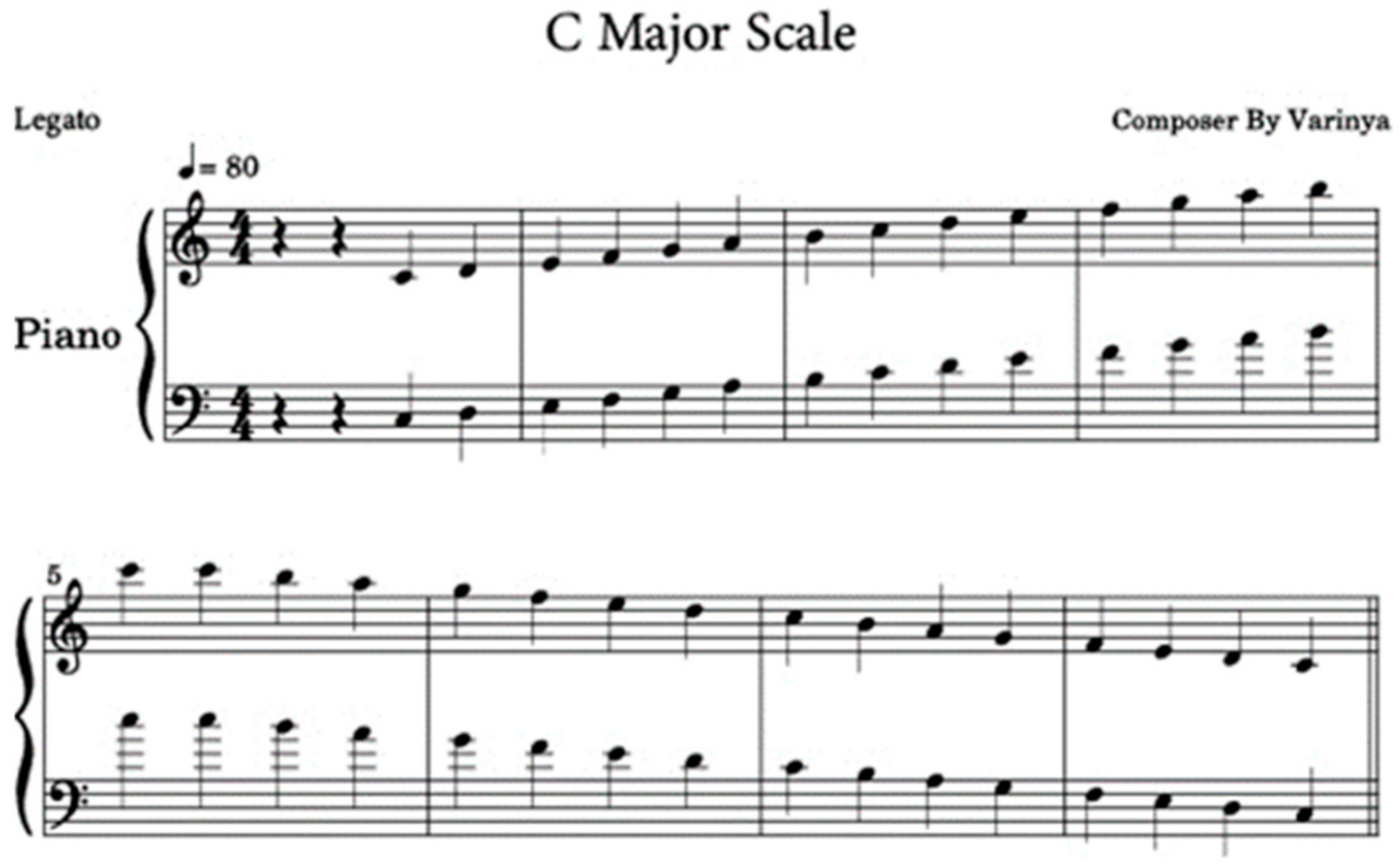
We often hear that mastery requires ten thousand hours of practice. But what if the secret isn’t just the hours you put in, but what you’re practicing during those hours? The quality of your sheet music selection directly impacts your skill acquisition rate in a way that raw hours never can. Consider the landscape of available music: on platforms like MuseScore, you’ll find a staggering 1,063,984 pieces tagged for beginners, but only 87,860 designated as advanced compositions. This creates a dramatic 12:1 ratio, not the 3:1 one might expect. This imbalance is profoundly significant for a pianist’s progression. It means that beginners have an ocean of material to wade through, much of it of varying quality, while advanced players face a relative desert. The hidden bottleneck in a pianist’s journey isn’t just practice time; it’s the critical transition from intermediate to advanced repertoire. Getting stuck practicing pieces that don’t challenge your specific weaknesses is the equivalent of running on a treadmill—you’re moving, but you’re not moving forward.
The Digital Learning Revolution
How Free Resources Changed Everything
The world of piano learning has been utterly transformed by the availability of free resources, creating opportunities that simply didn’t exist two decades ago. The numbers tell a compelling story: MuseScore hosts 2,399,311 free community-created scores, nearly double the 1,236,539 official scores typically available through traditional publishers. This shift has democratized access to music on an unprecedented scale. Furthermore, the very nature of how we interact with sheet music has evolved. There are now 2,490,920 interactive sheet music files available, which allow you to hear the music, slow it down, and even get real-time feedback on your playing, compared to 1,144,930 static PDF formats. This represents a fundamental move from passive reading to active engagement. However, this abundance creates a new challenge: the paradox of choice. With millions of piano music downloads at your fingertips, the question is no longer “Can I find the music?” but “Which music is the right music for me to practice right now?” Navigating this digital sea is the modern pianist’s most crucial skill.
For those ready to cut through the noise and find meticulously curated collections that bridge the gap between beginner and advanced playing, exploring dedicated platforms is the next logical step. You can find exceptional Best Music Sheet Music for Piano Beginners and Advanced Players that are carefully graded to ensure steady progress at 【連結】.
The Beginner’s Blueprint: Foundation Without Frustration
Building Blocks That Actually Work
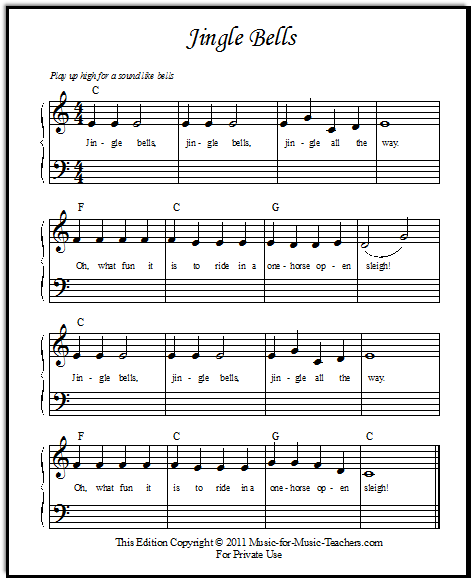
What if your first steps at the piano didn’t sound like hesitant plinks and plonks, but like actual music? This is the psychological secret to building a lasting practice habit. The initial thrill of producing a beautiful, recognizable melody creates a powerful feedback loop that fuels motivation far more effectively than grinding through sterile exercises. The data from platforms like MuseScore reveals a clear pattern: beginners are instinctively drawn to pieces that offer immediate aesthetic reward.
First Pieces That Don’t Sound Like “Beginner Music”
Consider the runaway success of two modern classics. Yann Tiersen’s “Comptine D’un Autre Été,” with its poignant, repetitive left-hand pattern and melancholic right-hand melody, has amassed 762.8K views and 22.1K favorites on MuseScore. Its structure is deceptively simple, yet its emotional impact is immediate. Even more staggering is the enduring appeal of Erik Satie’s “Gymnopédie No. 1,” a piece that has captivated millions of new pianists, boasting 2.8M views and 111.6K favorites. Its slow tempo, simple chord progressions, and ethereal atmosphere make it accessible, while its profound beauty makes it feel like a genuine artistic achievement.
This is not a coincidence. The psychological impact of playing a piece you recognize and love from the very first week cannot be overstated. It transforms practice from a chore into a conversation with the music you admire. It proves to you, and to anyone listening, that you are not just a student; you are a musician in the making. This early success builds the confidence necessary to tackle the more technically demanding, but often less instantly gratifying, studies that lie ahead.
The Free Resources Goldmine
The digital age has solved the problem of scarcity for the beginner pianist. The challenge is no longer finding sheet music, but finding the right sheet music amidst an overwhelming abundance. Knowing where to look, and how to filter, is the modern pianist’s superpower.
Where to Find Quality Beginner Piano Pieces
The numbers are your guide. As noted, MuseScore’s beginner section is a behemoth, containing 1,063,984 pieces. The key here is to use the platform’s community-driven features—look at the view counts, favorites, and user comments to gauge a piece’s popularity and difficulty. This social proof acts as a crude but effective quality filter.
For a more structured approach, Free-scores.com offers a robust level-based filtering system. Instead of wading through a million options, you can search specifically for “very easy” or “easy” level pieces, often with user-submitted difficulty ratings. This saves invaluable practice time.
Finally, for those drawn to the classics, the IMSLP/Petrucci Music Library is an indispensable archive of public domain classical piano scores. Here you can find the original, un-edited works of composers like Bach (his Anna Magdalena Notebook), Schumann (Album for the Young), and Tchaikovsky (Album for the Young), all for free. While some may be in their original, more challenging keys, IMSLP offers a direct line to the source material that shaped generations of pianists.
Navigating this ocean of free content is the first test, but finding pieces that are both pedagogically sound and emotionally rewarding is the true key to progress. For a curated selection that eliminates the guesswork, consider exploring dedicated collections. You can find a handpicked library of the Best Music Sheet Music for Piano Beginners and Advanced Players designed to build your skills without sacrificing musicality at 【連結】.
The Intermediate Plateau: Breaking Through
When Good Enough Isn’t Good Enough
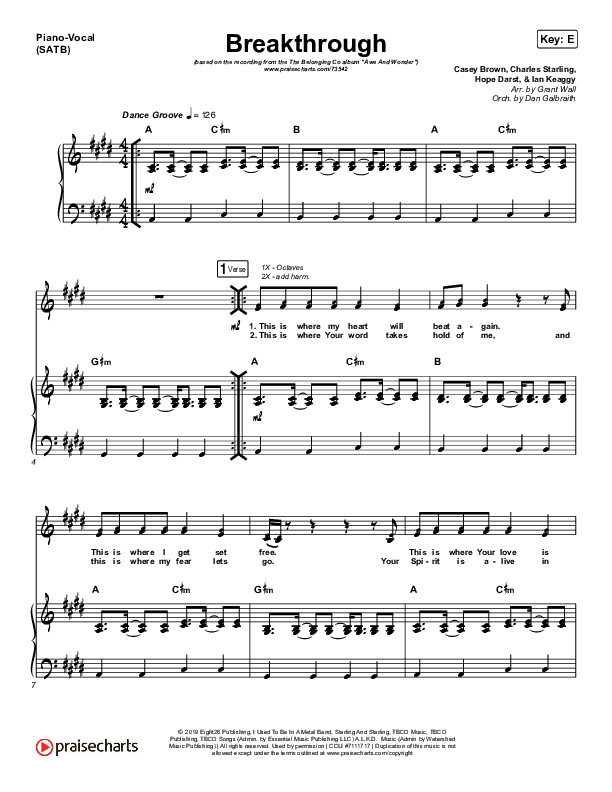
The initial thrill of playing your first real melodies eventually gives way to a new, more insidious challenge: the intermediate plateau. This is the stage where progress feels less like a steep climb and more like a long, flat plain. You can play pieces that sound pleasant, but the leap to the next level seems mysteriously out of reach. The data from online libraries reveals a structural component to this problem. On MuseScore, for instance, the sheer volume of available music creates a “repertoire gap.” There are 683,160 pieces categorized as intermediate, a staggering number that can keep a pianist busy for years. In contrast, there are only 87,860 pieces labeled as advanced. This statistical reality means that it’s incredibly easy to get lost in the vast middle ground, perpetually playing music that feels comfortable but doesn’t force a technical or artistic breakthrough.
This is the “musical comfort zone” trap. You become proficient at a certain level of complexity—perhaps arpeggios in a familiar pattern or chords in common keys—and the abundance of music at that exact level provides endless reinforcement without demanding growth. Escaping this trap requires a conscious shift in strategy. It’s no longer about just playing more pieces; it’s about playing strategic pieces. Piano technique development ceases to be an abstract concept and becomes a direct result of your repertoire choices. You must actively seek out music that introduces one new technical challenge at a time—a new rhythmic pattern, a more complex hand coordination requirement, or a key signature that pushes you out of the familiar C major or A minor.
Modern Piano Arrangements That Bridge the Gap
From Playing Notes to Making Music
So, how do you bridge the gap between intermediate competence and advanced expressiveness without getting bogged down in centuries-old etudes? The answer lies in the modern minimalist and neo-classical repertoire, which has proven uniquely effective at maintaining motivation while developing musicality. These pieces often focus on emotional resonance and repetitive, yet evolving, patterns that are ideal for technical consolidation.
Consider Ludovico Einaudi’s “Nuvole Bianche.” On MuseScore, it boasts 367.9K views and 5.5K favorites. The piece is a masterclass in using repetition to build intensity. For the intermediate player, it teaches dynamic control, hand independence (often requiring the left hand to provide a steady, arpeggiated foundation while the right hand carries a lyrical melody), and the art of the crescendo. It feels deeply musical from the first reading, yet its technical demands are precisely what an intermediate pianist needs to master.
Even more potent is Yiruma’s “River Flows In You,” a cultural phenomenon with a staggering 8.2M views and 251.5K favorites on the platform. Its enduring appeal is not an accident. The piece is a perfect bridge builder. It introduces a flowing, cross-rhythm between the hands that feels natural once mastered. It demands a sensitive touch and a keen ear for voicing the melody above the accompanying arpeggios. Learning “River Flows In You” isn’t just about learning a beautiful piece; it’s about internalizing a set of techniques essential for playing more complex romantic and impressionistic music.
The role of this contemporary music is crucial. It keeps the “why” of practicing at the forefront. The emotional payoff is immediate, which fuels the discipline required to work through the technical hurdles. This seamless integration of artistic satisfaction and skill development is the hallmark of a well-chosen piece. For those ready to strategically navigate beyond the plateau, a curated collection can provide the perfect roadmap. Discover the pathway forward with a selection of the Best Music Sheet Music for Piano Beginners and Advanced Players at 【連結】.
Advanced Repertoire: Beyond Technical Mastery
When Technique Meets Artistry
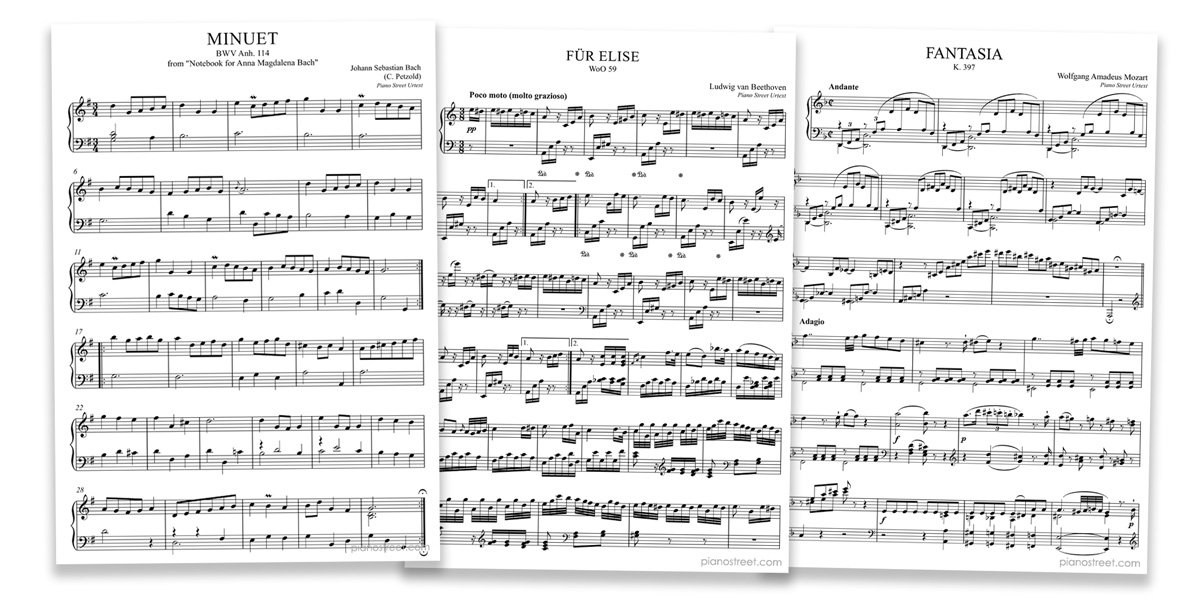
Reaching an advanced level in piano is not merely about playing faster or more complex notes. It is the point where technical mastery becomes the silent servant of artistic expression. The physical hurdles have been largely overcome; the challenge now lies in interpretation, nuance, and the ability to convey a composer’s emotional world. The data from digital libraries shows that advanced players are not just seeking difficulty—they are seeking meaning. Pieces that have stood the test of time and accumulated millions of views do so because they offer a profound depth of expression that players can connect with on a personal level. This is the realm where the pianist transforms from a technician into a storyteller.
Advanced Piano Compositions That Matter
The most popular advanced pieces on platforms like MuseScore form a modern canon, curated not by academics but by the collective passion of millions of musicians. Their popularity is a powerful signal: these are the works that advanced players consistently find rewarding to study and perform.
Consider Claude Debussy’s “Clair de Lune.” With 5M views and 153.6K favorites, it is a titan of the impressionist repertoire. For the advanced player, its difficulty lies not in velocity but in texture and color. It demands a sophisticated touch to create its signature shimmering, atmospheric sound. Mastering “Clair de Lune” is a lesson in pedal technique, dynamic shading, and voicing multiple melodic lines to sound like a single, fluid dreamscape.
Then there is Frédéric Chopin’s “Nocturne Op. 9 No. 2,” a piece with 3.7M views and 133.9K favorites. This is the ultimate study in bel canto, or “beautiful singing,” on the piano. The technical challenge is the seamless, fluid melody line in the right hand, which must soar above a steady left-hand accompaniment. It teaches rubato—the art of subtle speeding up and slowing down—not as a license for rhythmic freedom, but as a disciplined tool for emotional phrasing. An advanced player learns to make the piano sing through this piece.
For those seeking a more overtly virtuosic challenge, Franz Liszt’s “Liebestraum” (1.7M views and 53.3K favorites) stands as a perfect synthesis of technical bravura and romantic fervor. It requires powerful arpeggios, sweeping cadenzas, and a singing tone even in the most technically demanding passages. Learning “Liebestraum” forces a pianist to integrate flashy technique with deep musicality, ensuring that the pyrotechnics always serve the piece’s passionate narrative.
The Digital Advantage for Advanced Players
Accessing Rare and Complex Piano Sheet Music
The journey into the advanced repertoire would have been a slow and expensive endeavor a generation ago. Today, the digital landscape offers unprecedented access to a world of complex music. The statistical “repertoire gap” we observed earlier—with only 87,860 pieces labeled as advanced on MuseScore—is not a limitation but a curated challenge. This collection represents a vast and searchable library of the most demanding works, from the standard classical canon to contemporary masterpieces, all available instantly.
Beyond mainstream platforms, resources like the International Music Score Library Project (IMSLP) are a treasure trove for the advanced pianist. IMSLP offers access to historical editions, scholarly urtext versions, and obscure variations that are often difficult to find in print. This allows for a deeper level of study, comparing different editorial interpretations of a single work by Bach or Beethoven to arrive at one’s own informed performance decisions.
Furthermore, specialized music education websites have emerged that cater specifically to the needs of advanced players. These sites often provide not just the sheet music, but also masterclasses, detailed practice guides, and performance notes that dissect the technical and interpretive challenges of the most complex piano repertoire. This ecosystem of digital resources empowers the modern pianist to build a sophisticated and personalized library, turning the quest for advanced material from a scavenger hunt into a targeted exploration. To begin this exploration with a curated selection of pieces that define technical and artistic achievement, explore the definitive collection of the Best Music Sheet Music for Piano Beginners and Advanced Players available at 【連結】.
The Platform Paradox: Free vs. Premium
What the Data Reveals About Digital Sheet Music
The digital sheet music landscape is a tale of two libraries. On one side, we have the vast, user-generated commons; on the other, the curated world of official publications. The numbers are telling. On a platform like MuseScore, the data shows a clear preference for community-driven content, with 2,399,311 community scores vastly outnumbering the 1,236,539 official scores. This isn’t just a matter of quantity over quality; it’s a reflection of a fundamental shift in how musicians access and share music. The community library is a dynamic, living entity, constantly updated with new arrangements, pop songs, and personal interpretations that you simply cannot find in traditional, published catalogues.
Community Scores vs. Official Publications
So, how does one navigate this ocean of free content? The key lies in the platform’s built-in social proof mechanisms. Community scores are not all created equal, and their quality is effectively crowdsourced. Voting systems and user ratings act as powerful filters, elevating the best arrangements to the top of search results. A score with thousands of favorites and positive comments is far more likely to be accurate and well-engraved than one with a handful. This peer-review process, while informal, creates a surprising level of reliability for free piano sheet music. It allows a beginner to quickly find a decent version of a movie theme or a pop hit, and it enables an advanced player to discover a unique transcription of an orchestral work that might not be commercially available.
When Paid Resources Make Sense
However, the “free vs. paid” debate is not a simple binary. For the advancing pianist, the hidden costs of “free” piano music downloads can become apparent. An inaccurate score can ingrain bad habits, force you to decipher poorly written notation, and ultimately waste valuable practice time. This is where the investment in premium resources transforms from an expense into an accelerator for your musical development.
Investing in Your Musical Development
Professional, paid editions from established publishers (like Henle, Wiener Urtext, or Alfred) offer a level of refinement that free versions often lack. These are not merely sheets of notes; they are scholarly works. They provide meticulously researched, verified accuracy in classical piano scores, ensuring you are playing the composer’s true intentions. Beyond the notes themselves, they are packed with invaluable guidance: detailed fingerings that have been tested for ergonomic efficiency, historical performance notes that provide context, and interpretive suggestions from world-class editors and pianists.
For a beginner, this means a smoother, more frustration-free learning curve. For an advanced player, it is an essential tool for deep, informed interpretation. When you are preparing a Chopin Ballade for performance, the subtle phrasing and articulation marks in a urtext edition are not suggestions—they are the blueprint. Investing in such resources is an investment in the integrity of your art. It is the decision to build your repertoire on a foundation of certainty, allowing you to focus entirely on the music itself, rather than on correcting errors. To build a library you can trust, from your first scales to your most ambitious performances, consider exploring the curated selection of the Best Music Sheet Music for Piano Beginners and Advanced Players available at 【連結】.
Genre Exploration: Finding Your Musical Voice
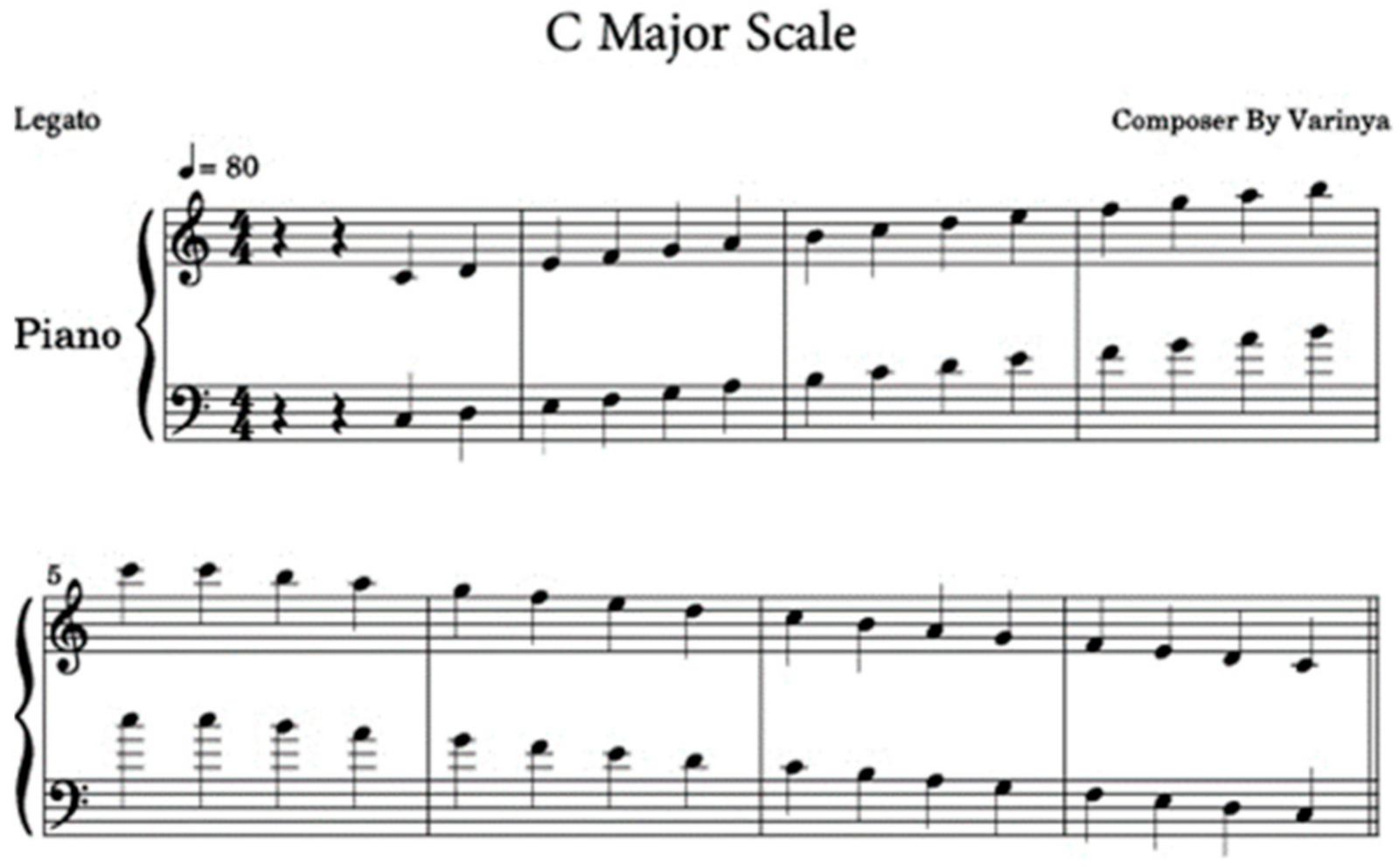
The digital sheet music libraries we explored earlier are not just repositories of notes; they are vast, data-rich maps of our collective musical tastes. And the terrain they reveal is fascinating. On a platform like MuseScore, the genre distribution tells a clear story: there are 737,002 classical pieces compared to 320,988 pop arrangements. This 2:1 ratio suggests a world where the foundational language of piano—classical music—coexists and competes with the immediate, cultural resonance of modern pop. But this isn’t a competition to be won; it’s a spectrum to be explored. The choice between classical and pop isn’t about which is better, but about what each can teach you. The real secret to rapid growth lies not in exclusive loyalty to one genre, but in the deliberate cultivation of a diverse musical diet.
Classical Foundations vs. Modern Expressions
Think of classical music and modern pop not as rivals, but as two different types of teachers. The classical canon, with its 737,002 entries, is your rigorous technical instructor. A Mozart sonata demands precision in articulation and dynamic control. A Bach fugue is a masterclass in intellectual discipline and finger independence. These pieces are the architectural blueprints of music theory, teaching you how to build a phrase, develop a theme, and communicate complex emotions without words. They are the relentless, and often unforgiving, trainers of your fundamental technique.
Pop music, on the other hand, is your teacher in communication and rhythm. With its often simpler harmonic structures and repetitive motifs, pop allows you to focus on feel, groove, and storytelling. It trains your ear for memorable melodies and your ability to connect with an audience on an instinctual level. The challenge in pop isn’t always in the note-reading; it’s in the nuance—the subtle timing, the touch, the art of making a simple chord progression sound compelling. By engaging with both, you are not diluting your focus; you are building a more complete and adaptable skill set. The classical piece hones your precision, which then informs the clarity you bring to a pop ballad. The rhythmic drive you learn from pop gives new life to the dance movements of a classical suite.
Building a Balanced Piano Repertoire
So, what does a balanced repertoire look like? It is a conscious curation of pieces that challenge different parts of your musical brain simultaneously. A practical weekly practice plan might look like this:
| Technical Focus | Classical Piece Example | Modern Piece Example |
|---|---|---|
| Finger Dexterity & Articulation | Burgmüller’s “Arabesque” (Etude) | Yiruma’s “River Flows in You” (Arpeggios) |
| Rhythmic Stability & Syncopation | Clementi’s Sonatina in C Major, Op. 36 No. 1 | A pop arrangement of a Beatles song |
| Dynamic Control & Phrasing | Schumann’s “Träumerei” from Kinderszenen | A film theme like “The Heart Asks Pleasure First” |
This approach ensures that you are never plateauing in one area. While your left hand is learning the steady Alberti bass of a classical piece, your right is exploring the syncopated melody of a modern tune. This stylistic cross-training is what creates a pianist who is both technically proficient and musically engaging.
The Rise of Cinematic and Game Music
Perhaps the most significant shift in piano education over the last decade has been the emergence of a new pedagogical genre: cinematic and video game music. This is not a minor niche; it is a revolution driven by emotional connection. Consider the staggering popularity of pieces like “Merry-Go-Round of Life” from Howl’s Moving Castle, which has amassed over 7.1 million views for a single performance on YouTube. This isn’t just a number; it’s a testament to a powerful learning motivator that traditional methods often lack.
Why These Pieces Are Revolutionizing Piano Education
Video game and film scores are uniquely positioned to bridge the gap between technical exercise and artistic expression. They are the “gateway pieces” for a generation of learners. A student might struggle to find the motivation to perfect a Czerny exercise, but they will spend hours diligently working through the intricate theme from Final Fantasy or Interstellar. The key is emotional investment. When you are learning a piece that already holds a profound personal meaning—a theme from a game that defined your childhood or a film that moved you to tears—the practice process transforms. It is no longer a chore; it is an act of rediscovery and personal expression.
Furthermore, these pieces are often brilliantly composed, offering sophisticated harmonic progressions and complex textures that rival traditional classical repertoire. They teach advanced techniques like creating a grand, orchestral sound on the piano, managing large leaps, and sustaining long, singing melodic lines over rich accompaniments. Platforms like MuseScore are filled with these arrangements because the community demand is immense. This genre has proven that the most effective way to retain a student is to tap into what they already love, using that passion as the fuel for their technical and musical development. To start your own journey through these transformative genres, you can find a wealth of inspiring and well-engraved scores for the Best Music Sheet Music for Piano Beginners and Advanced Players at 【連結】.
The Practice Ecosystem: Beyond the Sheet Music
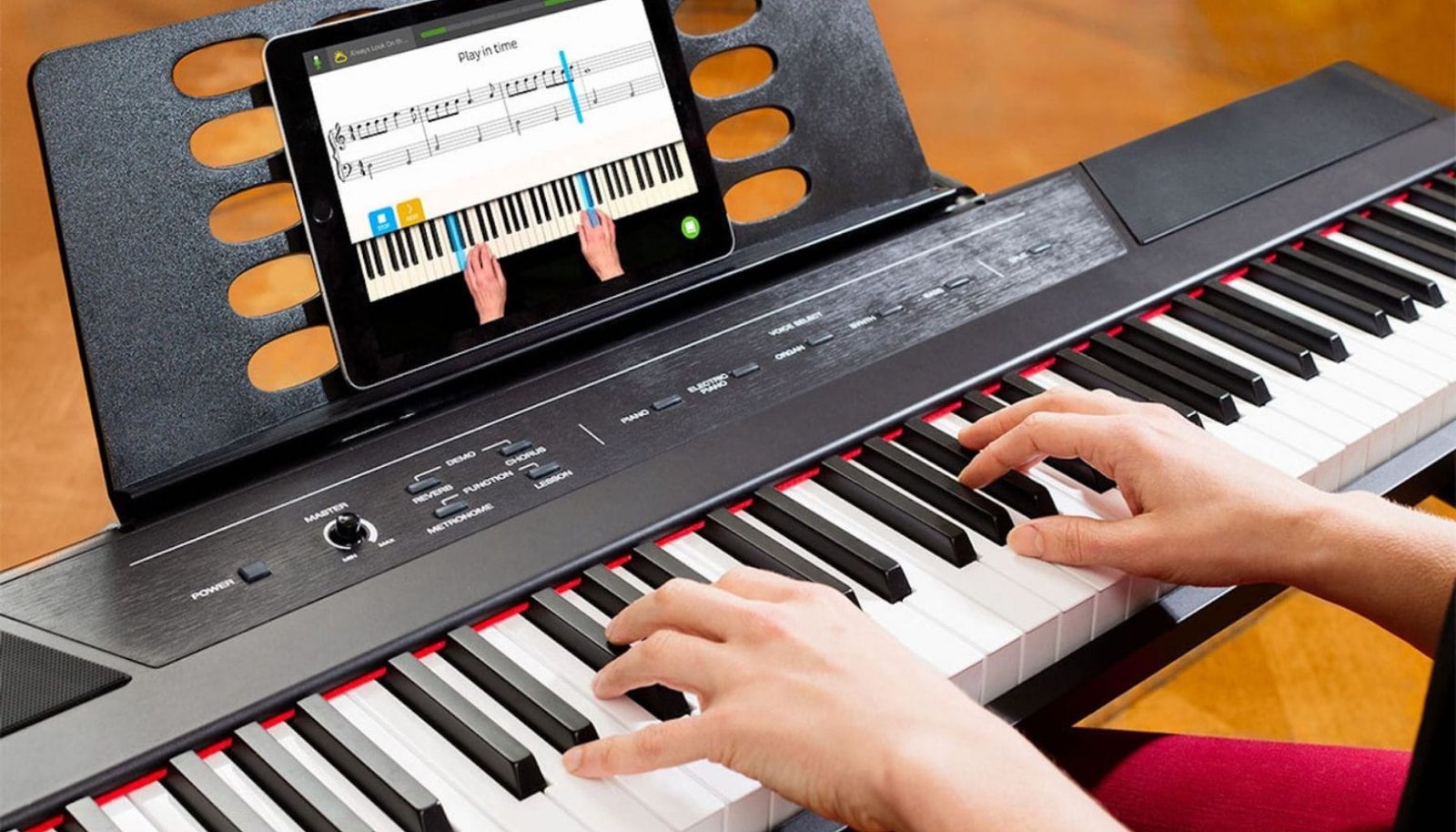
The sheet music itself is only the starting point, the raw code. To bring it to life, you need an ecosystem of tools and strategies. The most successful pianists today are not just those who practice the most, but those who practice the most intelligently, leveraging a suite of digital resources that were unimaginable a generation ago. The goal is to move beyond passive note-reading and into an active, engaged learning loop.
Integrating Piano Learning Resources
The modern musician’s practice room is a hybrid space. It contains the timeless presence of the piano and sheet music, but it is also augmented by a digital dashboard of tutorials, apps, and tools. The key is not to let these resources overwhelm you, but to orchestrate them into a coherent personal strategy.
Creating Your Personal Music Education Strategy
Think of your learning resources as members of a personal advisory board. Each has a specific role to play in your development. The mistake is to use them at random; the power comes from intentional combination.
- Combining sheet music platforms with piano tutorials: The process is cyclical. You discover a piece like “Merry-Go-Round of Life” on a sheet music platform. You download the score, but a tricky passage halts your progress. This is where a video tutorial on YouTube becomes your personal coach. You can watch a pianist’s hand shape, listen to their phrasing, and get a visual breakdown of a complex rhythm. The sheet music gives you the “what,” and the tutorial gives you the “how.” After absorbing the tutorial, you return to the sheet music with a deeper understanding, able to practice with purpose rather than guesswork.
- Digital learning tools that complement traditional sheet music: Apps are no longer just games; they are sophisticated training partners. Consider a tool like a digital metronome that uses your microphone to listen and flash a light when you deviate from the beat. Or an app that turns sight-reading into a daily, gamified exercise with progressively difficult excerpts. These tools provide immediate, objective feedback on the two pillars of piano playing: rhythm and reading. They address the weaknesses that traditional sheet music alone cannot fix.
- Building a sustainable piano practice routine: The ultimate goal of this integrated ecosystem is to create a practice habit that endures. This means moving from a mindset of “I have to practice for an hour” to “I have a system to run through.” A sample 45-minute session might look like this:
- 10-min Technical Warm-up: Use a technical exercises app or a Hanon/Czerny étude from your digital library.
- 20-min Piece Deconstruction: Work on your current classical and modern pieces. Use tutorial videos to troubleshoot specific measures. Record yourself playing a section and listen back critically.
- 10-min Sight-Reading & Play: Use a sight-reading app or pick a new, simple piece from a platform like MuseScore to train your reading skills.
- 5-min Free Play: Improvise or play a piece you love by memory, focusing solely on the joy of making music.
This strategy ensures that every minute of your practice is informed, targeted, and moving you toward a specific goal.
The Future of Piano Sheet Music
We are standing at the edge of a new frontier in music education. The static PDF is giving way to a dynamic, interactive learning experience. The data is already pointing the way: on MuseScore, the library contains a staggering 2,490,920 files that are part of this interactive ecosystem, allowing for digital playback, tempo adjustment, and part isolation.
Where Digital Learning is Taking Us
The trajectory is clear: sheet music is becoming a responsive, intelligent partner in the learning process.
- Interactive sheet music trends: The future is not just about viewing sheet music on a tablet; it’s about interacting with it. Imagine tapping a note on the screen to hear its pitch, or having the page automatically scroll as you play, guided by the software listening to your performance. These are not sci-fi concepts; they are features being integrated into platforms right now. This turns the sheet music from a passive map into an active GPS for your practice session.
- The role of AI in personalized piano music recommendations: The days of endlessly scrolling through catalogs are numbered. Soon, an AI will analyze the pieces you’ve played, your practice habits (via connected apps), and even your expressed musical goals. It will then function as the ultimate curator, suggesting the perfect next piece for your technical level and taste—perhaps a film score that introduces a new chord voicing or a Baroque piece that addresses your weak left-hand articulation. It’s a personalized pedagogical path, dynamically generated.
- Emerging platforms in the music education space: New platforms are emerging that blend social connectivity with structured learning. These are environments where you can share your progress on a piece, get feedback from a global community of peers and educators, and participate in challenges. They recognize that motivation is a social phenomenon and that learning piano, while a personal journey, doesn’t have to be a lonely one. This is the complete evolution: from a solitary book of sheet music to a connected, interactive, and socially-supported learning hub. To explore a platform that is already building this future, offering a vast library of interactive scores for the Best Music Sheet Music for Piano Beginners and Advanced Players
Your Action Plan: From Downloading to Performing
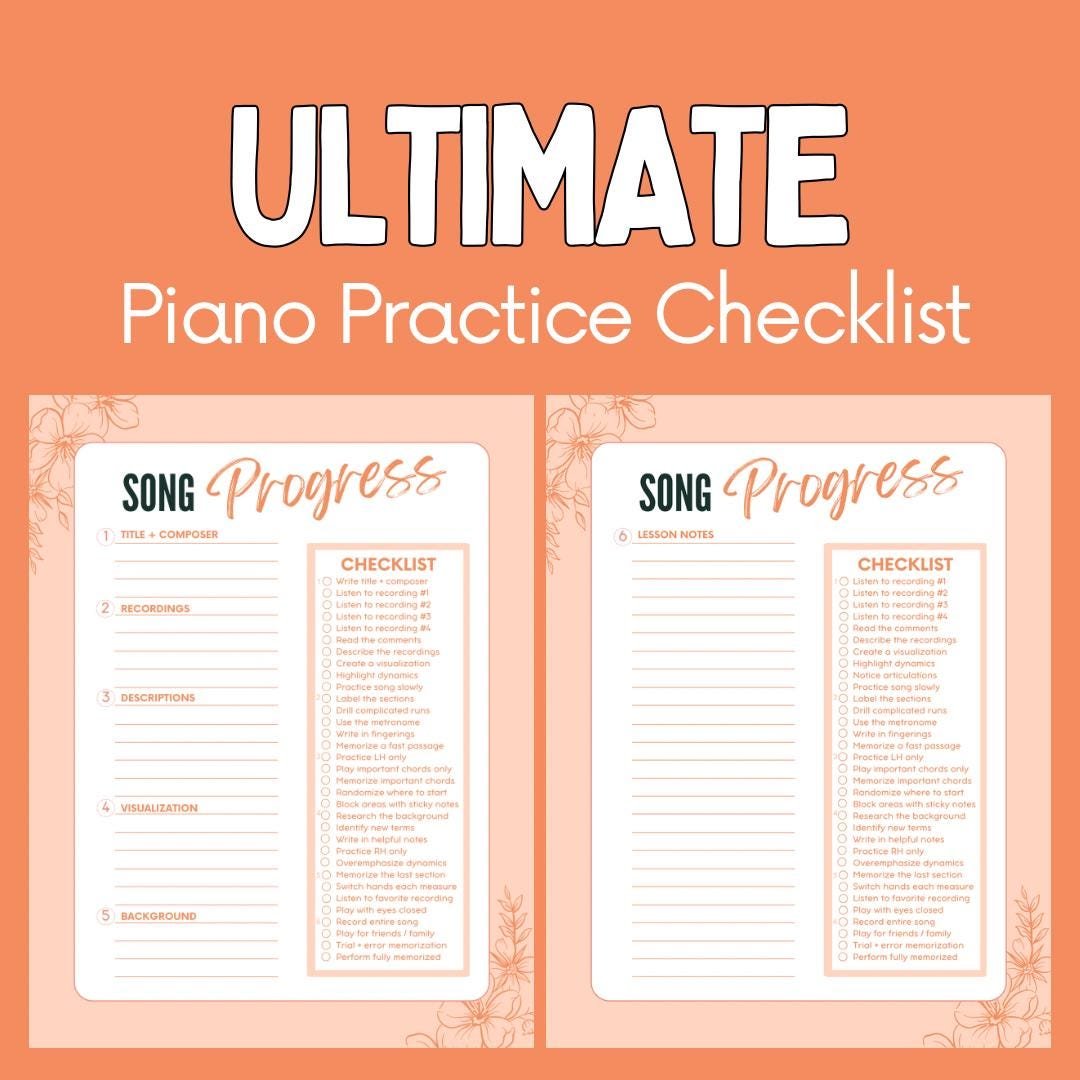
Having assembled your digital practice ecosystem, the next step is to transform that potential into tangible progress. The goal is not merely to accumulate files but to curate a living library and cultivate the mindset to bring its contents to life. This is the journey from a folder of PDFs to a repertoire you can perform with confidence.
Curating Your Personal Sheet Music Library
A well-curated music library is not a random collection; it is a strategic tool for growth. Think of it as your personal conservatory curriculum, designed specifically for your evolving skills and aspirations. The most effective libraries are dynamic, changing as you do.
Strategic Selection for Maximum Growth
The key to rapid, sustainable improvement lies in the intentional balance of your repertoire. An imbalanced library—filled with nothing but impossibly difficult concertos or, conversely, only simple tunes you’ve already mastered—will lead to frustration or stagnation. The solution is a structured approach.
- The 70-20-10 rule for repertoire selection: This is a powerful framework for organizing your practice time and library. Allocate roughly 70% of your effort to pieces that are at or just above your current level—songs you can learn with focused practice in a few weeks. This builds fluency and reinforces your core skills. 20% of your time should be dedicated to “reach” pieces that are significantly more challenging, pushing the boundaries of your technique and musical understanding. The final 10% is for “comfort” pieces: music you can play easily and beautifully, serving as a source of joy and a reminder of how far you’ve come.
- Balancing challenge pieces with comfort repertoire: Your comfort repertoire is your psychological safety net. When the frustration of a “reach” piece mounts, returning to a piece you play well is a powerful antidote to discouragement. It maintains your connection to the pleasure of playing. A library should contain a mix of both, ensuring that your practice sessions are both productive and enjoyable.
- Tracking progress through diverse piano compositions: Your library is a map of your musical journey. By intentionally selecting pieces from different eras—a Baroque minuet, a Classical sonatina, a Romantic character piece, a modern film score, and a jazz standard—you are not just learning songs; you are building a comprehensive skill set. Each style presents unique technical and interpretive challenges, making you a more versatile and resilient pianist. Tracking which styles you’ve mastered and which you’ve neglected provides a clear, self-directed roadmap for what to learn next.
The Performance Mindset
The final stage of engaging with sheet music is the transition from the private world of practice to the public act of performance. This shift is as much psychological as it is technical. The right preparation, aided by modern tools, can make this leap feel natural and exhilarating rather than terrifying.
From Practice Room to Performance Space
Performance is not a separate skill; it is the culmination of your practice process. The tools you’ve used to learn a piece can now be repurposed to prepare you for the stage.
- Using digital sheet music for performance preparation: Your tablet is a powerful dress rehearsal partner. Use the annotation features to mark breaths, phrasing arcs, and dynamic climaxes—the musical “story” you want to tell. Practice with the screen brightness lowered or in “airplane mode” to simulate the conditions of a live performance where you cannot adjust settings. Most importantly, run through your pieces from start to finish without stopping, even if mistakes happen. This trains the most critical performance muscle: recovery and forward momentum.
- The psychological shift from learning to performing: In practice, your focus is on problem-solving: isolating difficult passages, correcting errors, and refining details. In performance, you must shift your focus from the mechanics of playing to the communication of music. The goal is no longer to play perfectly, but to express something meaningful. This is why a deep library of comfort repertoire is vital; it allows you to play from memory or with minimal visual attachment to the sheet music, freeing you to connect with your audience.
- How the right piano sheet music builds confidence: Confidence on stage is not a personality trait; it is a natural byproduct of thorough preparation. When you know you have selected a piece that is well-suited to your skills (that 70% from your library), when you have deconstructed it with tutorials, reinforced your rhythm with apps, and practiced it to a point of deep familiarity, you step onto the stage with a foundation of genuine competence. The sheet music is no longer a set of instructions to be deciphered, but a script for a story you know by heart and are ready to share. To begin building your own performance-ready library with a vast selection of the Best Music Sheet Music for Piano Beginners and Advanced Players.




No comment