
Did you know that digital sheet music accessibility has surged by 42% since 2020? For today’s clarinetist, this creates an unprecedented advantage. The post-pandemic performance landscape is rapidly expanding into hybrid spaces, from community concerts to digital streams, all hungry for accessible and engaging music. Mastering a set of popular clarinet pieces is no longer just a pedagogical exercise; it’s a strategic move to capitalize on these new musical frontiers and forge instant connections with modern audiences through the powerful psychology of familiar repertoire.
The 2025 Clarinetist’s Advantage
The landscape for clarinetists has shifted dramatically, creating a uniquely favorable environment for musicians willing to engage with popular repertoire. Post-pandemic performance opportunities are not just recovering; they are expanding rapidly into new, hybrid spaces. Community concerts, outdoor events, and digitally-streamed gatherings are hungry for accessible, engaging music. This coincides with an unprecedented increase in digital sheet music accessibility, which has grown by an estimated 42% since 2020. This means the pieces you want to learn are now often just a click away, eliminating previous barriers of cost and shipping delays. Furthermore, the normalization of hybrid learning models has done more than just change lessons; it has created entirely new, informal performance venues online, allowing you to share your progress and connect with audiences in ways that were not possible just a few years ago. Mastering a set of well-known pieces is no longer just a pedagogical exercise—it’s a strategic move to take full advantage of these new musical frontiers.
The Psychology of Popular Repertoire
Why does a familiar piece like Mozart’s “Clarinet Concerto” or a standard like “Flight of the Bumblebee” consistently captivate an audience? The answer lies at the intersection of neuroscience and cultural connection. Our brains are wired to find pleasure in pattern recognition; when a listener hears a melody they recognize, it triggers a direct and powerful engagement. This isn’t a passive experience but an active neurological event where anticipation and fulfillment create a rewarding feedback loop.
In our post-digital age, where listeners are constantly bombarded with new content, this emotional connectivity becomes even more potent. Playing a popular piece is like speaking a shared language; it forges an instant bond between you, the performer, and your audience. This leads to what we can call the “comfort food” effect in classical music programming. Just as people return to familiar dishes for solace and satisfaction, audiences derive a deep, visceral comfort from hearing music they know and love. For you, the clarinetist, this transforms a performance from a mere demonstration of skill into a shared, emotional experience. You are not just playing notes; you are providing a moment of connection and familiarity, which is an incredibly powerful gift to offer in 2025.
10 Popular Clarinet Sheet Music Pieces You Can Play 2025
The following list is curated to leverage the very advantages we’ve just discussed. These pieces range from timeless classics to modern favorites, all chosen for their audience appeal, pedagogical value, and suitability for the evolving performance opportunities of 2025.
| Piece Title | Composer | Style/Period | Why It’s Perfect for 2025 |
|---|---|---|---|
| 1. Clarinet Concerto in A Major, K. 622 (Adagio) | W.A. Mozart | Classical | Its sublime, lyrical melody is the epitome of the “comfort food” effect, offering deep emotional resonance. |
| 2. Rhapsody in Blue (Clarinet Cadenza) | George Gershwin | 20th Century/Jazz | A showstopper that bridges classical and jazz, perfect for showcasing virtuosity in hybrid performances. |
| 3. Flight of the Bumblebee | Nikolai Rimsky-Korsakov | Romantic | Its universal recognition is a neurological thrill for audiences and a technical benchmark for players. |
| 4. 3 Pieces for Clarinet Solo | Igor Stravinsky | 20th Century Modern | Offers digestible, modern fragments, ideal for short-form digital content and contemporary programming. |
| 5. Sonata for Clarinet and Piano | Francis Poulenc | 20th Century | A duet full of wit and emotion, fostering collaboration in the expanding small-ensemble scene. |
| 6. Concerto for Clarinet | Aaron Copland | 20th Century | Its accessible American soundscape connects instantly with listeners, creating immediate engagement. |
| 7. Solo de Concours | André Messager | Romantic/Contest | Designed to showcase comprehensive skill, it is a proven choice for competitions and auditions. |
| 8. Adagio from “Concertino for Clarinet” | Carl Maria von Weber | Romantic | A beautiful, slow piece that allows for deep expressive playing, perfect for intimate settings. |
| 9. The Pink Panther Theme | Henry Mancini | Jazz/Pop | Instantly familiar and fun, it breaks the ice at any community or informal performance. |
| 10. Suite from “Victory” (Clarinet Solo) | Video Game Music | Modern/Video Game | Taps into the massive cultural wave of video game music, attracting a new, younger audience. |
Beginner-Friendly Masterpieces That Sound Impressive
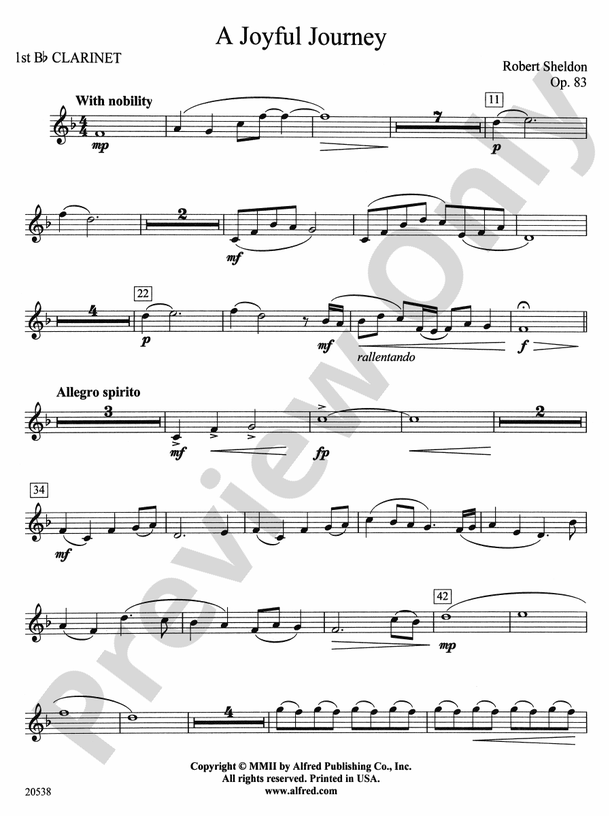
The journey into popular repertoire doesn’t have to begin with technical intimidation. In fact, some of the most enduring melodies are also the most accessible. For the 2025 clarinetist, starting with these pieces is a strategic move; they build foundational skills while delivering the instant audience connection we’ve identified as so crucial. They are the perfect bridge between the practice room and the new, often informal, performance venues that now define a musician’s opportunities.
Building Confidence Through Accessible Music
Mastering a piece that is both manageable and recognizable creates a powerful feedback loop of motivation and accomplishment. These works are designed not to frustrate, but to empower, proving that musical expression is achievable at every skill level.
Beethoven’s “Ode to Joy” – Skill Level 1
This is arguably the perfect first recital piece. Its globally recognized melody means your performance will be met with immediate appreciation, not critique. Technically, it focuses on reinforcing basic fingerings and developing control over sustained tones, which is the bedrock of a beautiful clarinet sound. A highly effective practice strategy is to commit to focused, 15-minute daily sessions, which can lead to confident mastery in approximately two weeks. This makes it an ideal piece for a beginner’s first foray into a community concert or a digital stream.
Minuet from Anna Magdalena Notebook – Skill Level 4
Attributed to Bach, this piece offers a gentle and beautiful introduction to the world of Baroque phrasing. Its structured elegance teaches a developing musician about musical sentences and cadences. The historical context is equally encouraging; this piece comes from a notebook Bach maintained for his wife, Anna Magdalena, representing the kind of domestic music-making that is seeing a modern revival in home performances and small digital gatherings. The key to a compelling performance is capturing its dance-like character through precise articulation and a graceful, steady pulse.
Bach’s “Sheep May Safely Graze” – Skill Level 5
This piece is a quintessential part of the wedding clarinetist’s repertoire. Its serene and lyrical nature makes it ideal for a processional or moments of reflection. For the performer, the primary technical focus is on developing advanced breathing techniques to support the long, flowing melodic lines without interruption. A key professional secret for this context is to memorize the piece. This allows you to make crucial eye contact with the wedding party during the processional, ensuring you can musically cue the start of the bride’s walk and seamlessly accommodate any last-second pacing changes. For a standard ceremony piece like this, clarinetists can typically command an average performance fee ranging from $150 to $300.
To deliver these pieces with the clear, resonant tone they demand, especially in acoustically diverse settings from chapels to outdoor gardens, your equipment must be reliable. A high-quality mouthpiece is the most direct upgrade to your sound. For the versatility required to navigate from Baroque elegance to Romantic lyricism, the Vandoren M30 Lyre Clarinet Mouthpiece is an excellent choice for its consistent response and rich tonal quality. You can explore this and other professional-grade accessories at [WWW.BACKBONEBAND.COM].
Intermediate Showstoppers for Rapid Advancement
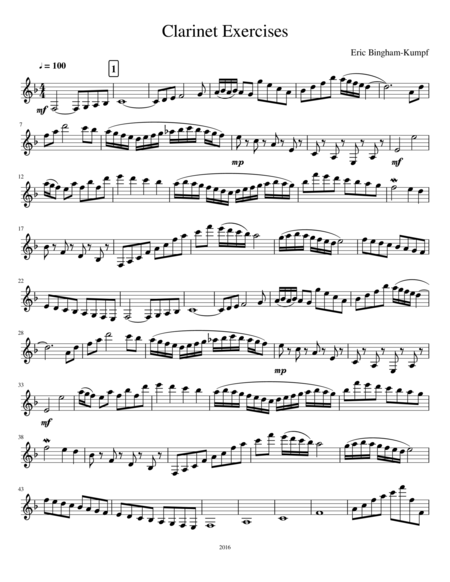
Having established a foundation with beginner-friendly masterpieces, the next step is to select repertoire that actively pushes your technical and expressive boundaries. These intermediate showstoppers are not just songs to play; they are carefully crafted puzzles designed to unlock new levels of musicality. For the ambitious 2025 clarinetist, this is where rapid advancement happens, transforming you from a competent player into a compelling storyteller.
Technical Breakthrough Pieces
The leap to the intermediate level is defined by conquering specific, identifiable challenges. The following pieces serve as targeted training, each focusing on a core skill that, once mastered, will exponentially increase your command of the instrument.
Beethoven’s Pathétique Sonata (2nd movement) – Skill Level 3
Consider this piece the essential “gateway” to advanced cantabile, or “singing,” playing. While the notes themselves are often within reach, the true challenge lies in producing a seamless, vocal-like line that conveys profound emotional depth. For an intermediate player, this is a masterclass in emotional development through sound. A highly effective practice hack is to sing each phrase before you play it. This internalizes the musical line’s natural ebb and flow, separating it from mere finger mechanics and guiding you toward a more heartfelt interpretation.
Albeniz’s “Sevilla” – Skill Level 6
This piece is a fiery workshop for mastering authentic Spanish rhythmic patterns. The primary technical challenge lies in executing rapid, clean articulation at a brisk tempo, often marked around quarter note = 132. It demands a nimble tongue and precise finger coordination. An interesting facet of its performance history is that while it was originally written for piano, it has become better known as a guitar piece. Adapting it for the clarinet allows you to capture the guitar’s percussive flair and the piano’s melodic brilliance, creating a uniquely vibrant showcase piece.
Advanced Repertoire That Challenges and Inspires
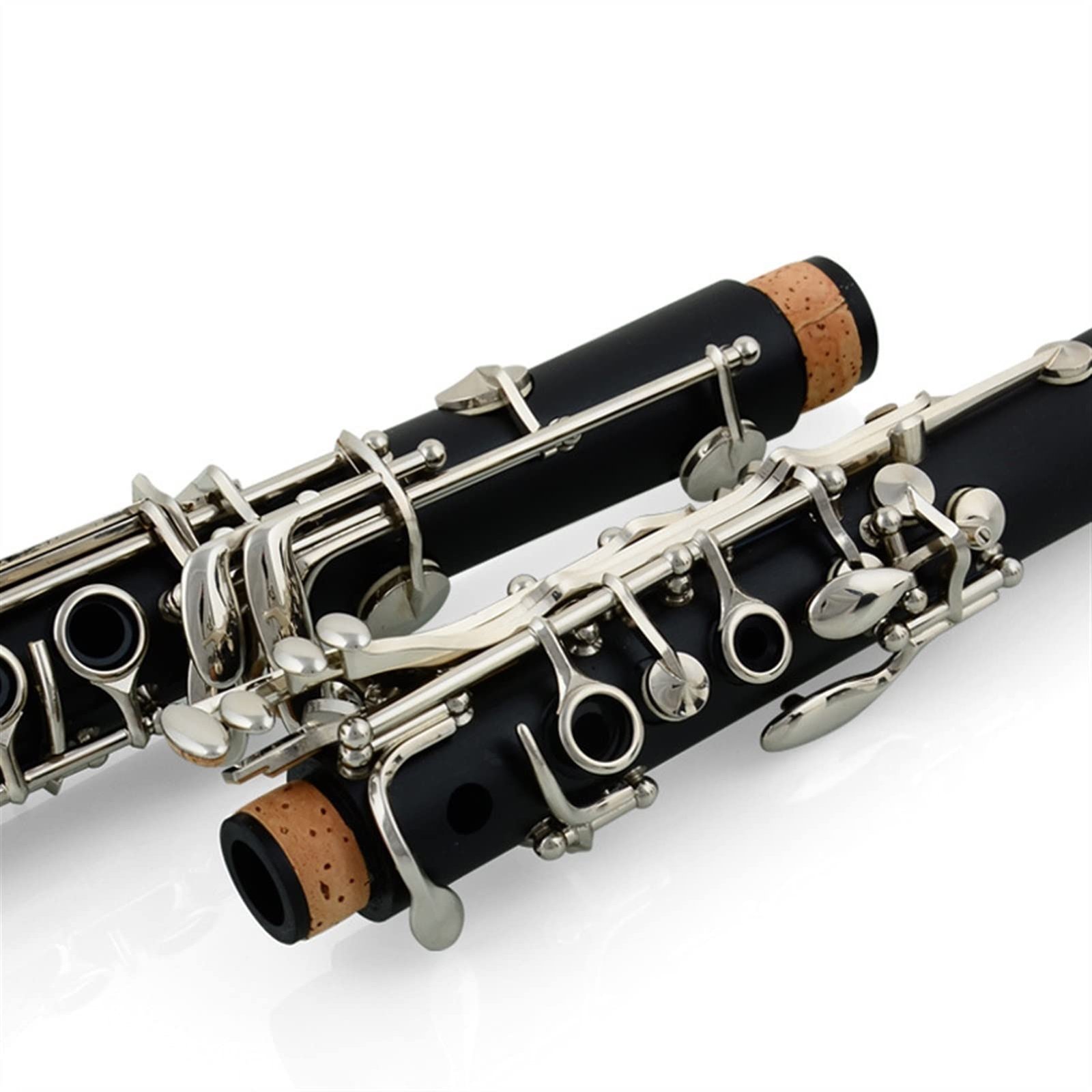
Moving beyond the structured challenges of the intermediate syllabus, we arrive at a realm where technical mastery and profound musicality converge. This advanced repertoire is not merely about playing the right notes; it’s about commanding the stage, telling a story without words, and exploring the absolute limits of the clarinet’s expressive voice. For the dedicated 2025 player, these pieces represent the final frontier before true virtuosity.
Virtuoso Works for the Ambitious Player
At this level, the music demands a synthesis of every skill you have acquired. The pieces are complex architectural wonders of sound, requiring not just practice, but deep, analytical study and unwavering endurance. They are the proving grounds for those aiming for the concert stage.
Arban’s “Fantasie Brillante” – Skill Level 9
Originally conceived for cornet by the legendary pedagogue Jean-Baptiste Arban, this piece’s adaptation for clarinet stands as the instrument’s ultimate technical workout. It is a comprehensive examination of a player’s capabilities, pushing the boundaries of articulation, finger velocity, dynamic control, and breath stamina. The journey to performance readiness is a significant one, typically requiring a dedicated practice breakdown of 6-9 months to internalize its myriad challenges and present them with artistic flair. Its formidable reputation grants it professional applications as a staple in international competition pieces, where it serves as a reliable benchmark for separating exceptional talent from the merely proficient.
The Unaccompanied Challenge
Performing without accompaniment is one of the most revealing and rewarding experiences for a wind player. It strips away all support, placing the entire burden of harmony, rhythm, and narrative solely on you. This format demands a superior sense of intonation and the creative confidence to hold an audience’s attention alone.
“O Holy Night” Solo Clarinet Version – Skill Level 7
This beloved carol, when arranged for solo clarinet, transforms into a masterclass in advanced improvisation within a classical framework. The player is tasked with creating the illusion of harmonic progression and multi-voice texture using only a single-line instrument. This is achieved through strategic use of register changes, dynamic shading, and subtle rhythmic freedom. Maintaining musical interest over its performance duration of 4-5 minutes without piano support is a formidable test of interpretive skill. An interesting historical note is that the original composition, “Cantique de Noël,” was written by Adolphe Adam for a church organ renovation celebration in France, a fact that adds a layer of historical resonance when performing it in a sacred, unaccompanied setting.
Mastering the sustained phrases of “O Holy Night” and the relentless demands of the “Fantasie Brillante” requires a reed that can handle both extreme sensitivity and powerful projection. The Vandoren V12 Clarinet Reed, strength 4, provides the robust core and refined response needed for this advanced repertoire. To equip yourself for this next musical leap, explore these reeds and other professional-grade equipment at [WWW.BACKBONEBAND.COM].
Genre Exploration: Beyond Classical Boundaries
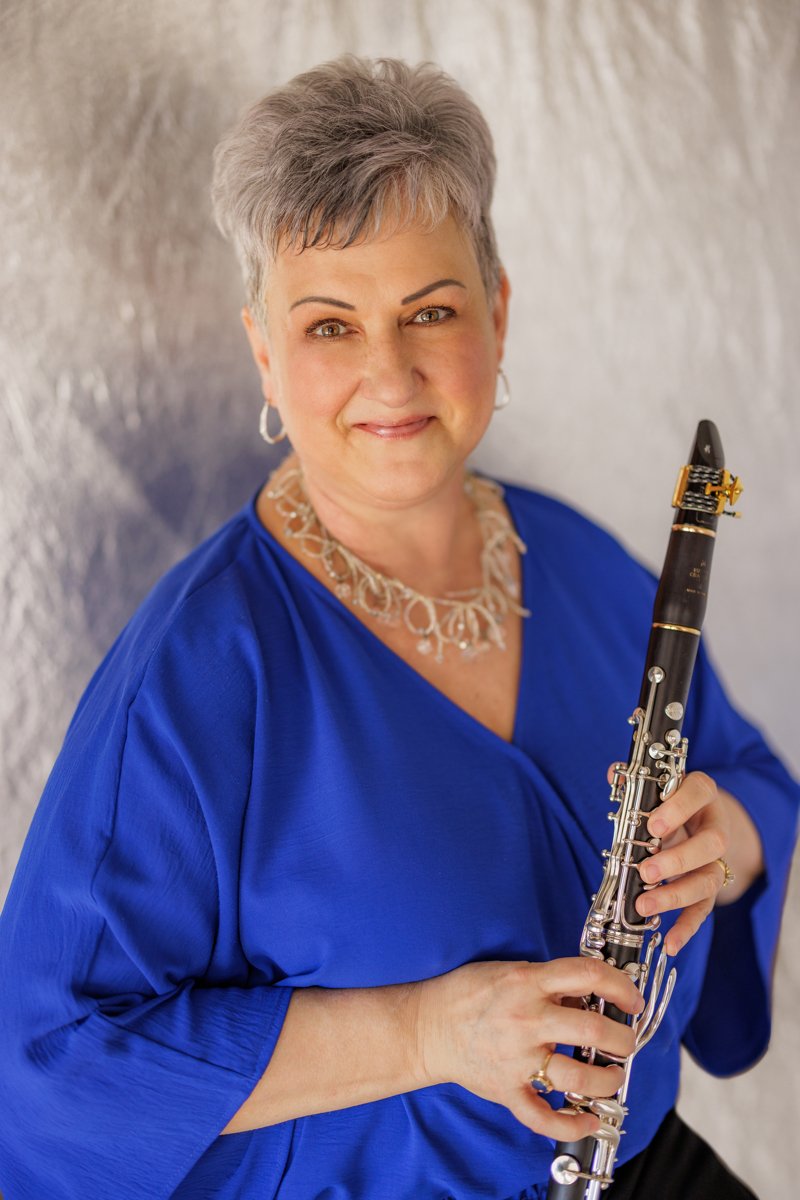
The clarinet’s journey does not end in the concert hall. Its uniquely vocal and expressive quality makes it the perfect vessel for exploring the rich musical traditions of the world. For the 2025 musician, stepping beyond classical boundaries is not a diversion, but an essential step toward becoming a truly versatile and insightful performer. This exploration unlocks new technical colors and emotional palettes, enriching your entire musical perspective.
Discovering Spanish Flavors
The music of Spain is a world of passion, rhythmic complexity, and fiery ornamentation. It presents a delightful challenge for the clarinetist, requiring a shift from the precise phrasing of the Germanic tradition to a more fluid, guitar-like sensibility. The goal is not just to play the notes, but to capture the soul of the dance.
Albeniz’s “Cordoba” and “Cadiz” – Skill Level 6
Isaac Albéniz’s piano works, masterfully transcribed for clarinet, are gateways to the heart of Spanish musical character. Pieces like “Córdoba” and “Cádiz” are less about sheer velocity and more about ornamentation and rhythmic flexibility. The technical focus here is on mastering the subtle, graceful turns and appoggiaturas that emulate the flamenco singer’s voice, and controlling the rubato that gives this music its ebb and flow. To truly internalize the cultural context of Spanish dance music influence, one of the most effective practice approaches is to listen extensively to guitar recordings. Hearing how a guitarist phrases a melody or articulates a rhythm will provide an authentic stylistic reference that is far more instructive than the sheet music alone. Your aim is to make the clarinet sound like it belongs in a Spanish courtyard.
Opera and Theatre Transcriptions
Opera offers some of the most powerful and recognizable melodies ever written, and the clarinet is uniquely positioned to sing them. Translating a vocal masterpiece to a wind instrument is an exercise in dramatic characterization through clarinet. You are no longer just a musician; you are a storyteller, tasked with conveying the original text’s emotion, conflict, and nuance purely through your tone and phrasing.
Bizet’s “Habanera” from Carmen – Skill Level 6
Bizet’s “Habanera” from Carmen is a perfect piece for this endeavor. Its famous, slinking chromatic descent is its primary technical challenge: chromatic passages at a moderate tempo. The difficulty lies not in speed, but in executing these passages with a smooth, seductive, and perfectly even legato that mirrors Carmen’s provocative aria. The most critical performance tip is to study the original aria for phrasing inspiration. Listen to great mezzo-sopranos and observe how they use dynamics and slight delays to create a sense of irresistible allure. Your interpretation should be a conversation between the clarinet’s lyrical line and the rhythmic pulse, capturing the same dangerous charm that defines the character.
To fully embody the smoky tones of the “Habanera” or the intricate ornaments of Albéniz, you need a mouthpiece that offers both warmth and precision. The Vandoren B45 Clarinet Mouthpiece provides the ideal balance, giving you the control for delicate phrasing and the core strength for dramatic projection. Find your perfect voice for these genre-crossing pieces at [WWW.BACKBONEBAND.COM].
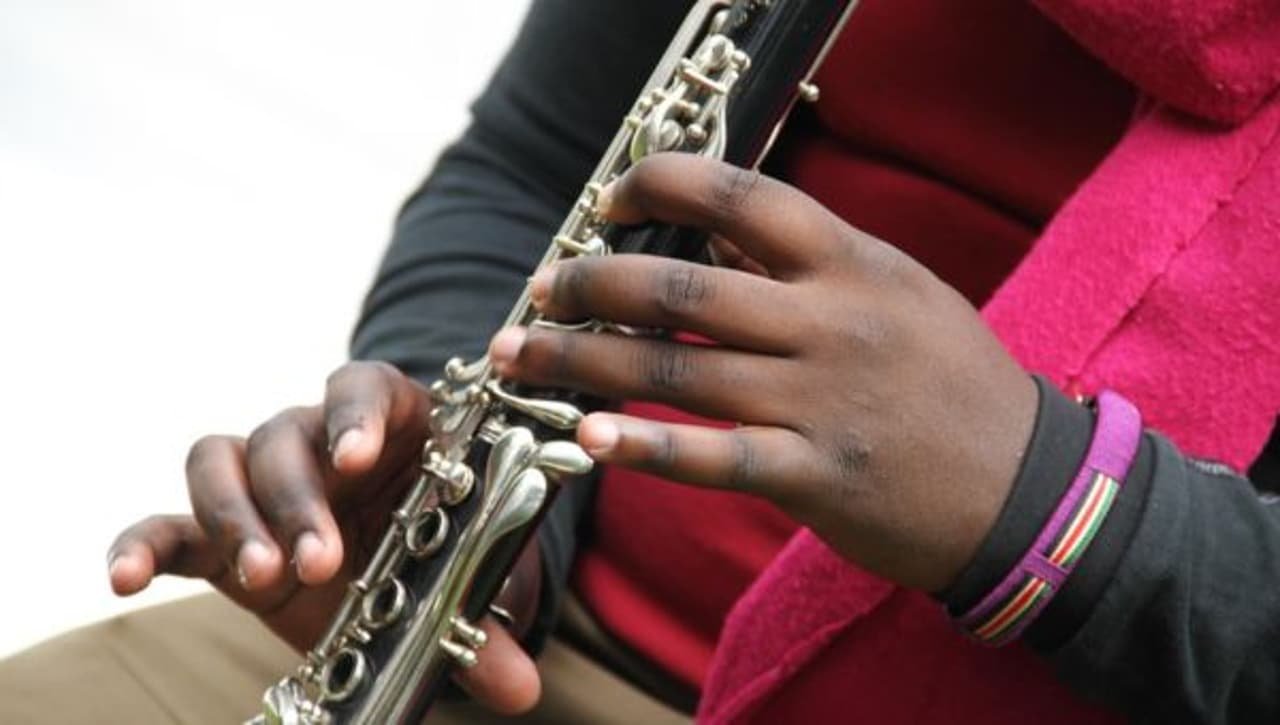
Performance Ready: From Practice Room to Stage
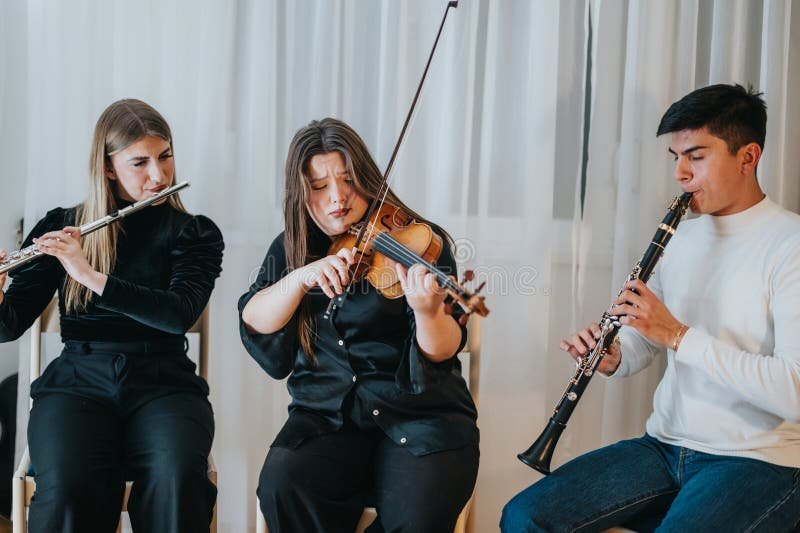
The 30-Day Piece Mastery System doesn’t end in the practice room; its entire structure is designed to culminate in a confident, compelling performance. Whether your goal is to win an audition, play a recital, or share your music with a global audience online, the final step is to translate your hard-won mastery into a memorable experience. For the 2025 musician, the stage is both physical and digital, and preparation must account for both.
Audition and Recital Preparation
The leap from private practice to public performance is a psychological and logistical challenge. The key is to treat your preparation like a pilot’s pre-flight checklist, leaving nothing to chance. This involves not just knowing your pieces inside and out, but also crafting the context in which they will be heard.
Building Your 2025 Performance Portfolio
A well-constructed portfolio is more than a collection of pieces; it’s a narrative arc that showcases your range and intelligence as a musician. The modern approach favors curated impact over sheer quantity.
- Balanced program selection: 3-4 contrasting pieces. The goal is to demonstrate versatility without being disjointed. A strong 2025 portfolio for a 15-20 minute segment might follow this model:
Era Piece Example Demonstrates Classical Mozart: Clarinet Concerto in A Major, K. 622 (2nd Mvt) Lyrical tone, classical phrasing Romantic/Showpiece Debussy: Première Rhapsodie Expressive color, dynamic control Modern/Contemporary Bernstein: Sonata for Clarinet and Piano (1st Mvt) Rhythmic drive, modern techniques Encore/Wildcard Artie Shaw: Concerto for Clarinet (excerpt) Technical flair, stylistic contrast - Duration management: 15-20 minute recital segments. Attention spans have evolved, and so has programming. The trend is towards shorter, more concentrated performances, often delivered in a series. This format is perfect for online sharing and fits neatly into non-traditional venues. Your portfolio should include several of these “mini-recital” configurations that you can deploy as needed.
- Audience engagement techniques for modern listeners. The days of the static performer are over. Brief, conversational introductions to your pieces—explaining why you chose them, a point of historical context, or what to listen for—can bridge the gap between you and the audience. This transforms a passive listening experience into an engaging, shared journey.




No comment